How Do Design Choices Change a Home Build Budget?
January 26, 2026
Introduction
Most homeowners expect materials to affect price. Fewer realize how deeply design itself controls cost. Long before tile, cabinetry, or fixtures are selected, the layout and architecture of a home begin shaping how much labor, engineering, and coordination the project will require.
Design is not just visual. It dictates how a home is framed, how systems are routed, how long trades remain on site, and how many custom solutions are needed. Two homes with the same square footage can land in entirely different price ranges based purely on how they are drawn.
Understanding this relationship gives you leverage. Instead of reacting to numbers later, you can shape the budget intentionally from the very first sketch.
Where Design Starts Affecting Cost
Design influences cost in layers. Some choices create one-time expenses. Others quietly compound across every phase of the build.
At its core, design changes cost in three fundamental ways: it alters structural requirements, it changes how long trades need to work, and it affects how systems interact inside the home. These effects stack. A visually simple change on paper may require multiple trades to adapt their work in the field.
Layout Efficiency
A compact, efficient floor plan reduces the footprint of nearly every construction phase. Foundations are smaller, framing is simpler, roof areas are reduced, and mechanical runs are shorter.
Open layouts may look simpler, but large spans without interior walls require heavier beams, engineered supports, and specialized framing. What feels open and clean in design often becomes complex in structure.
Vertical Design
Ceiling height is one of the most underestimated cost drivers.
Standard ceiling heights allow faster framing, straightforward HVAC design, and predictable drywall labor. Once ceilings rise—through vaults, two-story spaces, or stepped volumes—every trade must adapt. Structural loads increase. Mechanical systems become harder to route. Scaffolding is required. Finish work becomes slower.
Vertical drama carries vertical cost.
Exterior Form
Every change in a home’s exterior shape multiplies work across systems.
A simple rectangular form allows trades to move quickly and predictably. When a design introduces offsets, dormers, multiple roof planes, or deep overhangs, each element requires added framing, waterproofing, flashing, and coordination. Complexity does not just add materials—it multiplies labor.
Design Features That Quietly Multiply Cost
Some design elements appear minor in concept but large in execution.
Window Strategy
Window placement reshapes both structure and performance. A few oversized openings may require custom headers, steel reinforcement, higher-performance glazing, and specialized installation. Each opening alters framing rhythm and energy modeling. Designing for light is valuable, but every opening changes the structural equation.
Kitchen and Bath Layouts
Wet areas concentrate cost.
Every sink, shower, and appliance requires water supply, drainage, venting, and electrical service. A compact, centralized plumbing layout is far less expensive than scattering fixtures across multiple wings or floors. The floor plan itself determines how far every pipe must travel.
Built-In Features
Designs that include window seats, architectural shelving, integrated desks, and custom niches introduce finish carpentry where none is required in a simpler plan. These are not decorative afterthoughts—they become miniature construction projects embedded into the structure.
How Design Choices Cascade Through Construction
A design change rarely affects only one trade. It ripples.
- A roofline shifts.
- Framing adapts.
- Sheathing patterns change.
- HVAC routing adjusts.
- Insulation depth is modified.
- Drywall labor increases.
- Trim profiles must adapt.
What appears as a visual tweak becomes a multi-trade adjustment. This is why late design changes are expensive. They interrupt momentum and force rework across systems that were already coordinated.
Using Design to Control Cost
Design does not have to inflate budgets. When aligned early with construction realities, it becomes the strongest cost-control tool available.
Phase One: Establish Financial Anchors
Before drawings advance, define your target investment, non-negotiable features, and areas where flexibility exists. This keeps design grounded in reality rather than aspiration alone.
Phase Two: Design With Build Input
When builders participate early, they can suggest structural efficiencies, flag high-cost forms, and propose alternative solutions that preserve intent while reducing complexity. Design becomes informed instead of speculative.
Phase Three: Evaluate Impact, Not Just Appearance
Each major feature should be viewed through two lenses: what it adds visually and what it requires structurally and logistically. This reframes decisions from “Do I like it?” to “Is this the right place to spend?”
Common Design Trade-Offs
Every custom home balances priorities. The goal is not to remove character—it is to place investment where it matters most.
Homeowners often weigh:
- More square footage versus taller ceilings
- Architectural complexity versus construction efficiency
- Built-ins versus future furnishings
- Immediate features versus phased upgrades
These are not sacrifices. They are strategic choices that shape both experience and cost.
Frequently Asked Questions
Do open floor plans cost more to build?
Open layouts often require larger structural members to span wide spaces. They can be more expensive than segmented plans, even when square footage is the same.
Are modern designs cheaper than traditional ones?
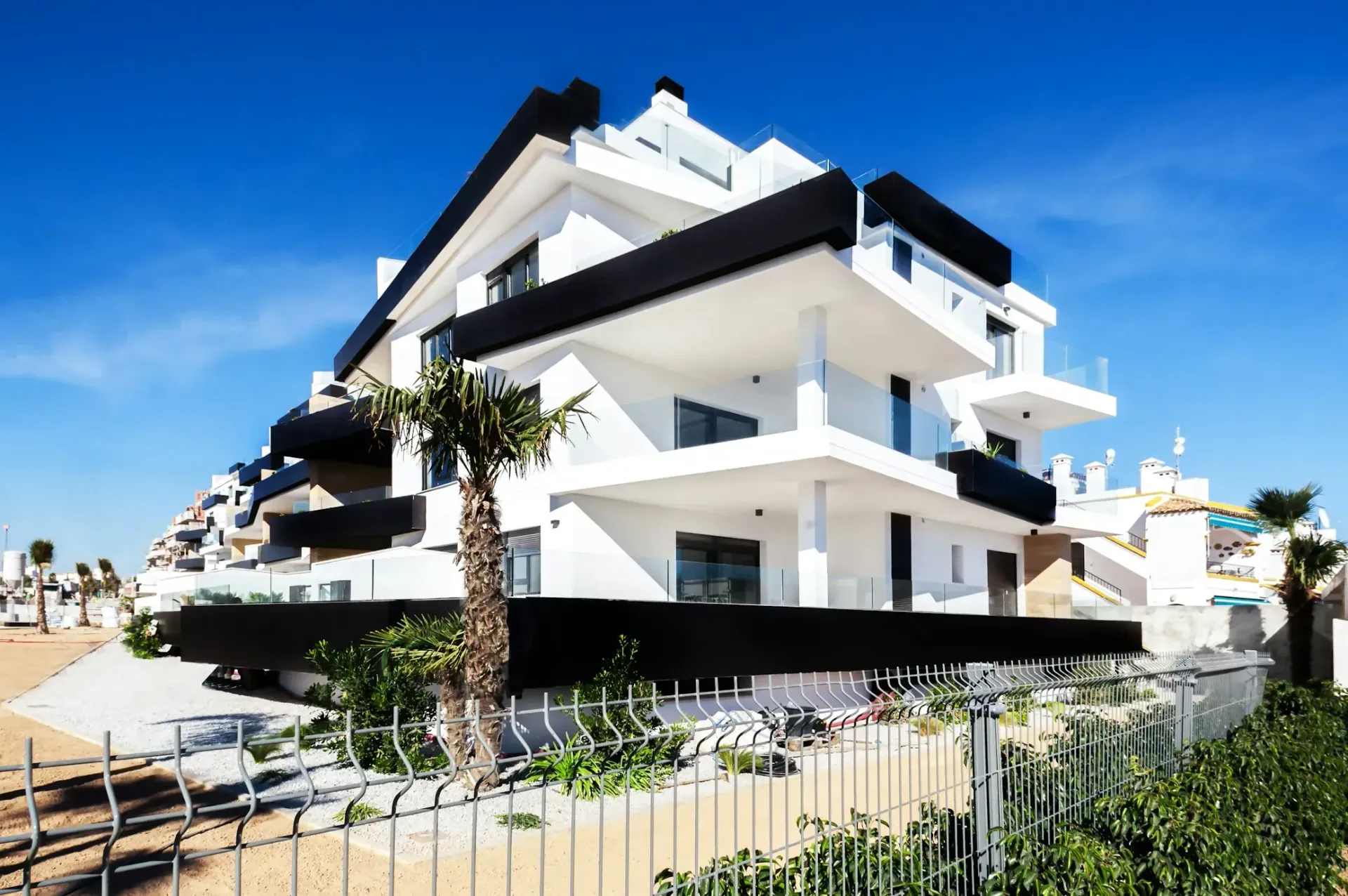
Not inherently. Modern homes often rely on large glass areas, complex roof forms, and precise detailing, all of which increase engineering and labor demands.
Does changing the plan during construction really cost that much?
Yes. Late changes disrupt multiple trades and often require rework. Even small adjustments can cascade into significant added labor.
Is it cheaper to build up or out?
Building up typically reduces foundation and roofing costs but increases structural complexity and stair design. The most economical approach depends on site and layout.
Can a home still feel custom without inflating the budget?
Absolutely. Thoughtful design concentrates character in key spaces while keeping the overall structure efficient.
Designing With Financial Intention
Design is the first budget decision you make.
Every wall location, roof angle, and ceiling height sets expectations for labor, structure, and coordination. When design and construction are treated as separate worlds, cost becomes unpredictable. When they work together, the budget becomes intentional.
A home does not become expensive because it is beautiful. It becomes expensive when beauty is disconnected from how buildings are actually assembled.
If you’re planning a custom home in Utah, the most valuable early step is understanding how design choices translate into construction reality. With that clarity, every line on the plan becomes a deliberate choice rather than a surprise.