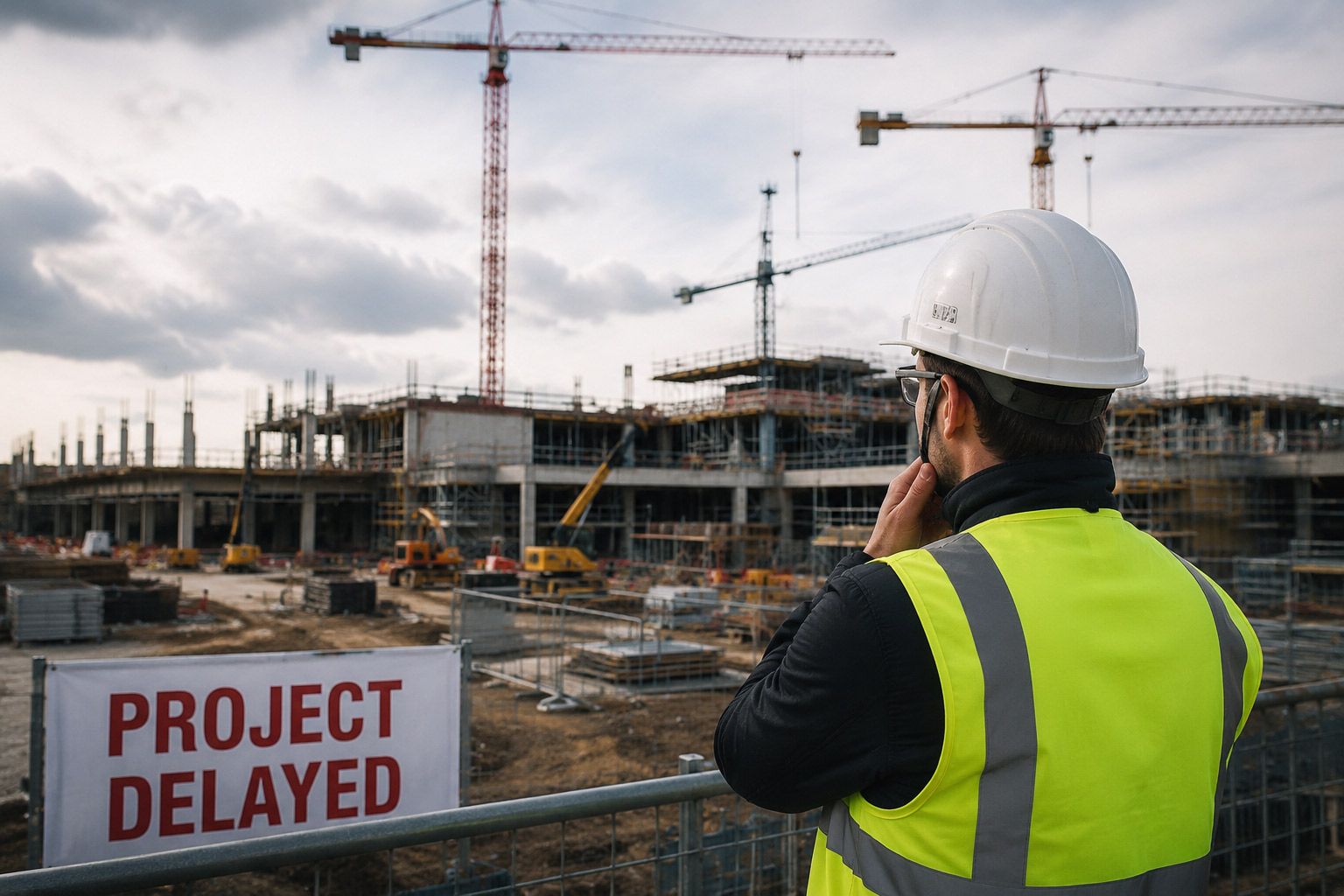
What Hidden Costs Catch Homeowners During Remodels?
February 1, 2026
Introduction
Most remodels don’t fail because homeowners underestimate the visible work. They fail because of what no one sees coming.
Walls open. Floors come up. Ceilings are exposed. That’s when hidden conditions, code gaps, and structural surprises surface. The project that looked clean on paper suddenly carries new requirements, new trades, and new time.
These costs don’t appear because someone made a mistake. They appear because homes age, codes evolve, and older construction rarely matches modern expectations. Knowing where hidden costs come from is how you plan instead of panic.
Where Hidden Costs Actually Come From
Hidden costs are not random. They follow patterns tied to how homes were built, how they were maintained, and how regulations have changed.
Most surprises fall into three categories: existing conditions, compliance requirements, and construction logistics.
Existing Conditions Inside the Structure
Once surfaces are removed, builders often find:
- Water damage behind tile or cabinetry
- Rot in subflooring or framing
- Termite or pest damage
- Uneven or undersized structural members
These issues are invisible during walkthroughs. They only appear when demolition begins. Repairing them is not optional—they affect safety and longevity.
Outdated Systems
Older homes often contain:
- Aluminum or knob-and-tube wiring
- Undersized electrical panels
- Galvanized or deteriorated plumbing
- Inadequate ventilation
A remodel that adds load or relocates fixtures frequently triggers system upgrades. What begins as a cosmetic change becomes a mechanical one.
Code and Permit Requirements
Modern building codes are not retroactive—until you renovate.
Once a permit is pulled, certain elements must meet current standards. This can require:
- Electrical grounding updates
- Smoke and CO detector installation
- Energy-efficiency upgrades
- Structural reinforcement
These are not “extras.” They are legal obligations tied to the scope of work.
The Cost Multipliers Homeowners Don’t Anticipate
Some expenses don’t stem from damage or code—they come from how remodeling works.
Access and Protection
Unlike new construction, remodels occur inside lived-in spaces.
Before work begins, crews must:
- Protect flooring
- Seal off dust zones
- Build temporary walls
- Manage daily cleanup
These steps preserve the home but add labor that never appears in design plans.
Structural Discovery During Demolition
Removing a wall often reveals:
- Load-bearing functions not shown in plans
- Hidden beams or posts
- Inadequate previous modifications
Correcting these requires engineering and reframing. What seemed like a layout change becomes a structural project.
Change Orders Triggered by Visibility
Once materials are removed, homeowners see:
- Misaligned framing
- Crooked surfaces
- Improvised past repairs
Many decide to “fix it while it’s open.” Each decision is logical. Collectively, they expand scope.
How Hidden Costs Typically Unfold
Hidden expenses rarely appear all at once. They surface in stages.
- Demolition exposes underlying conditions.
- Builder documents issues.
- Solutions are proposed.
- Scope adjusts.
- Timeline shifts.
- Budget expands.
This sequence is not a failure—it is how real buildings reveal themselves.
Planning for the Unseen
You cannot eliminate hidden costs. You can prepare for them.
Build a Contingency Buffer
Experienced remodelers plan for 10–20% contingency. This is not pessimism. It is realism based on how often unseen conditions arise.
Prioritize Early Investigations
Before finalizing plans, professionals may:
- Inspect crawl spaces
- Scan walls for plumbing and wiring
- Evaluate foundations
- Review historical permits
The more you know early, the fewer surprises emerge mid-project.
Align Expectations With Reality
A remodel is not a controlled environment. It is exploration.
Understanding that discovery is part of the process transforms stress into strategy.
Frequently Asked Questions
Why do hidden costs seem more common in older homes?
Older homes were built under different standards. Materials age. Systems degrade. Renovation exposes conditions that have been concealed for decades.
Can a contractor predict all hidden costs?
No. Ethical contractors identify risk areas, but many conditions remain invisible until demolition occurs.
Is it a red flag if a bid includes a contingency?
No. It reflects experience. A bid with zero contingency often leads to larger change orders later.
Are hidden costs signs of poor planning?
Not necessarily. They are inherent to remodeling existing structures.
How can homeowners stay in control when surprises appear?
By understanding why they happen and having financial and emotional room to respond thoughtfully.
Remodeling With Realistic Expectations
Hidden costs do not mean something has gone wrong. They mean a home is revealing itself.
Remodeling is not assembling new parts in an empty space—it is adapting a living structure built under different assumptions. Every wall removed is a question asked. Every ceiling opened is an answer returned.
Homeowners who expect perfection are often the most frustrated. Those who expect discovery remain in control.
If you’re planning a remodel in Utah, the smartest preparation is not just choosing finishes—it’s understanding that real homes carry history. Building with that truth in mind turns surprises into decisions instead of emergencies.