What Drives the Cost of Building a Custom Home?
January 5, 2026
Introduction
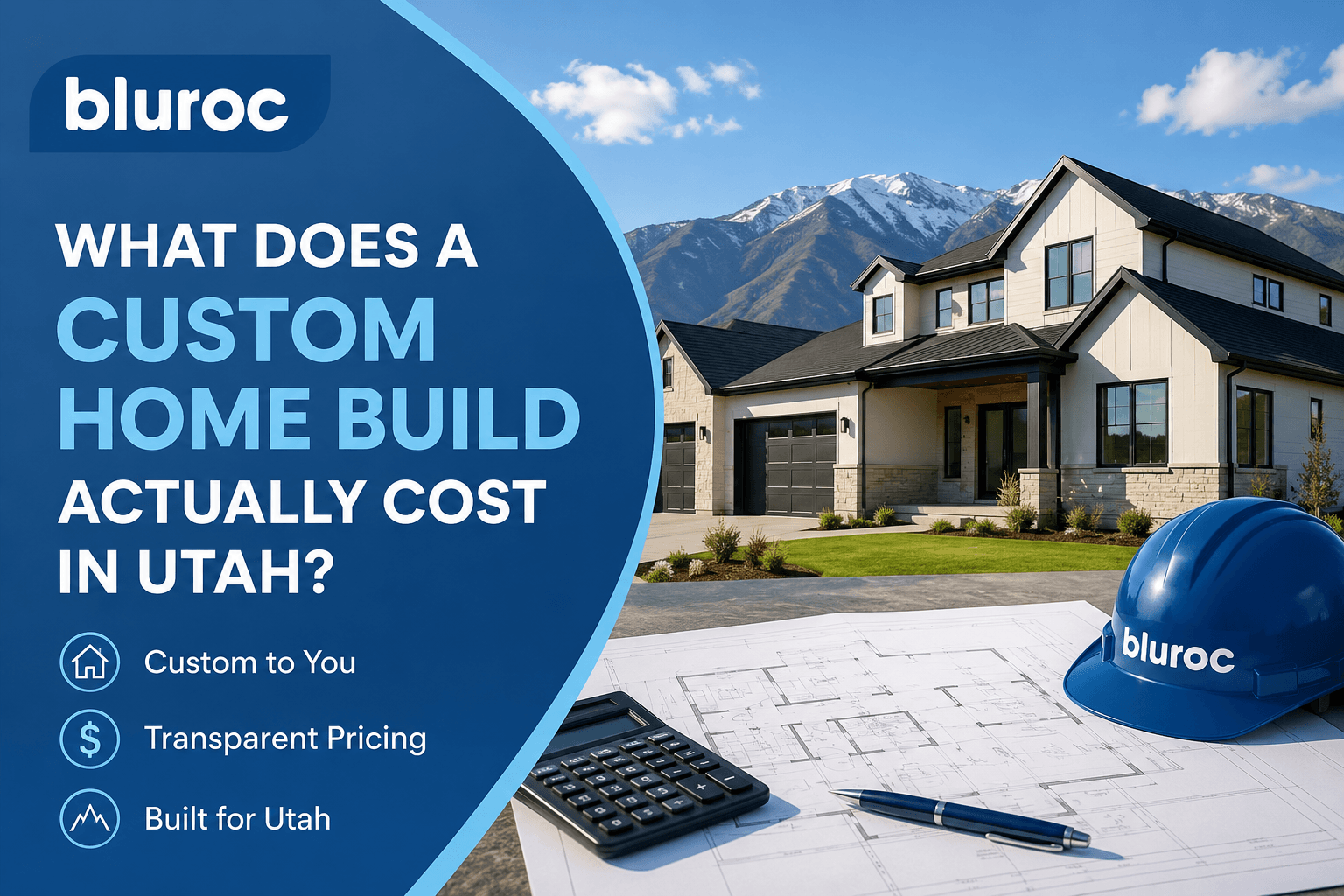
Building a custom home isn’t just about choosing a floor plan and picking finishes. Every home is shaped by dozens of decisions that quietly influence the final price long before construction begins. Two homes with the same square footage can end up in completely different price ranges because of what’s beneath them, how they’re designed, and how they’re built.
Understanding what actually drives cost gives you control. Instead of reacting to numbers as they appear, you can plan with intention and align your vision with a realistic budget from the start.
The Real Cost Drivers Behind a Custom Home
Custom home pricing is not a flat rate. It’s the outcome of several major forces working together. Each one compounds the others.
Before diving into details, it helps to understand the four categories that shape nearly every budget:
- Land and site conditions
- Architectural design and structure
- Materials and finish levels
- Labor, timing, and market conditions
Each of these influences both materials and labor. A complex roofline increases framing time. A sloped lot changes foundation work. A long build window raises supervision and carrying costs.
Land and Site Conditions
The land itself often determines how much flexibility you have.
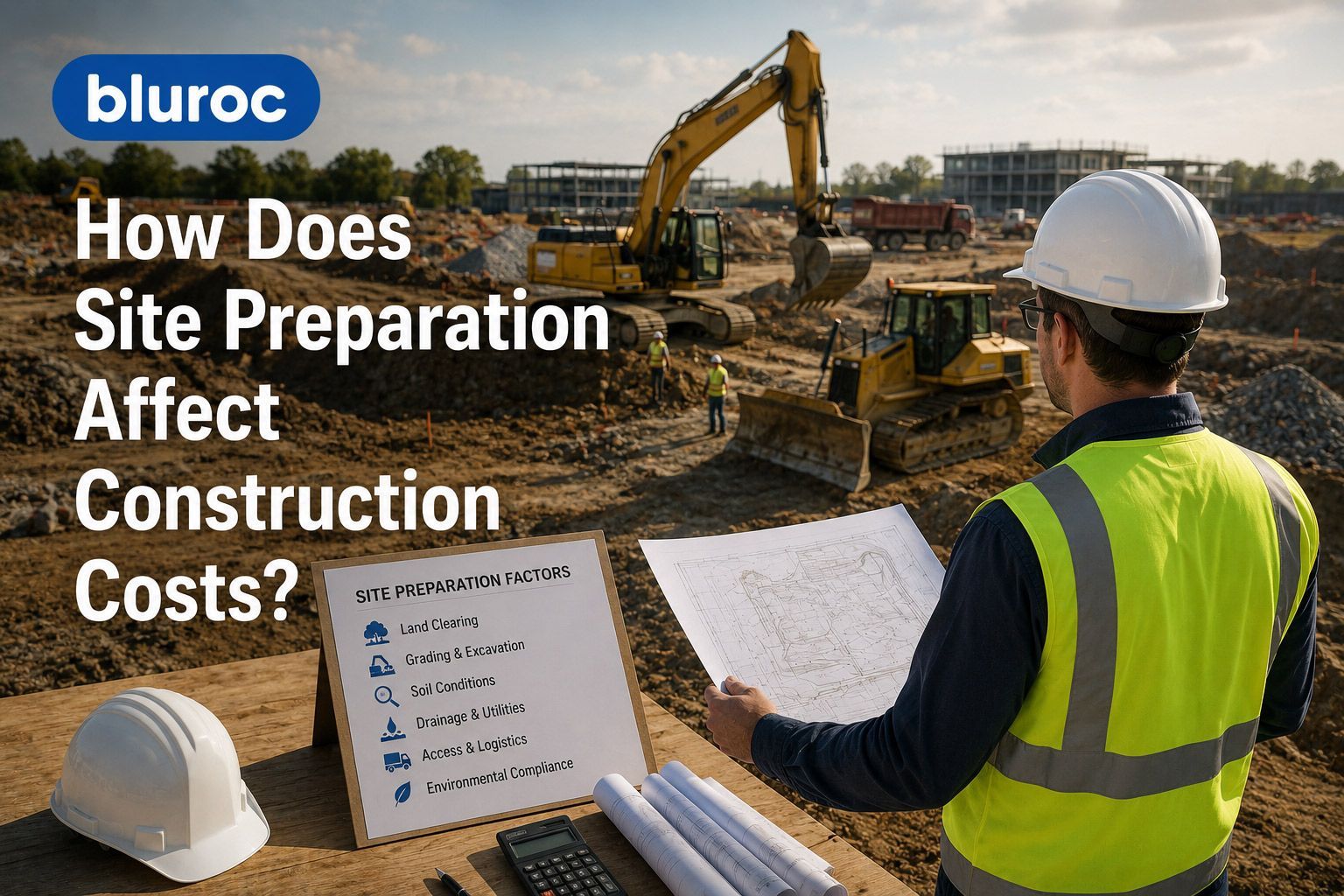
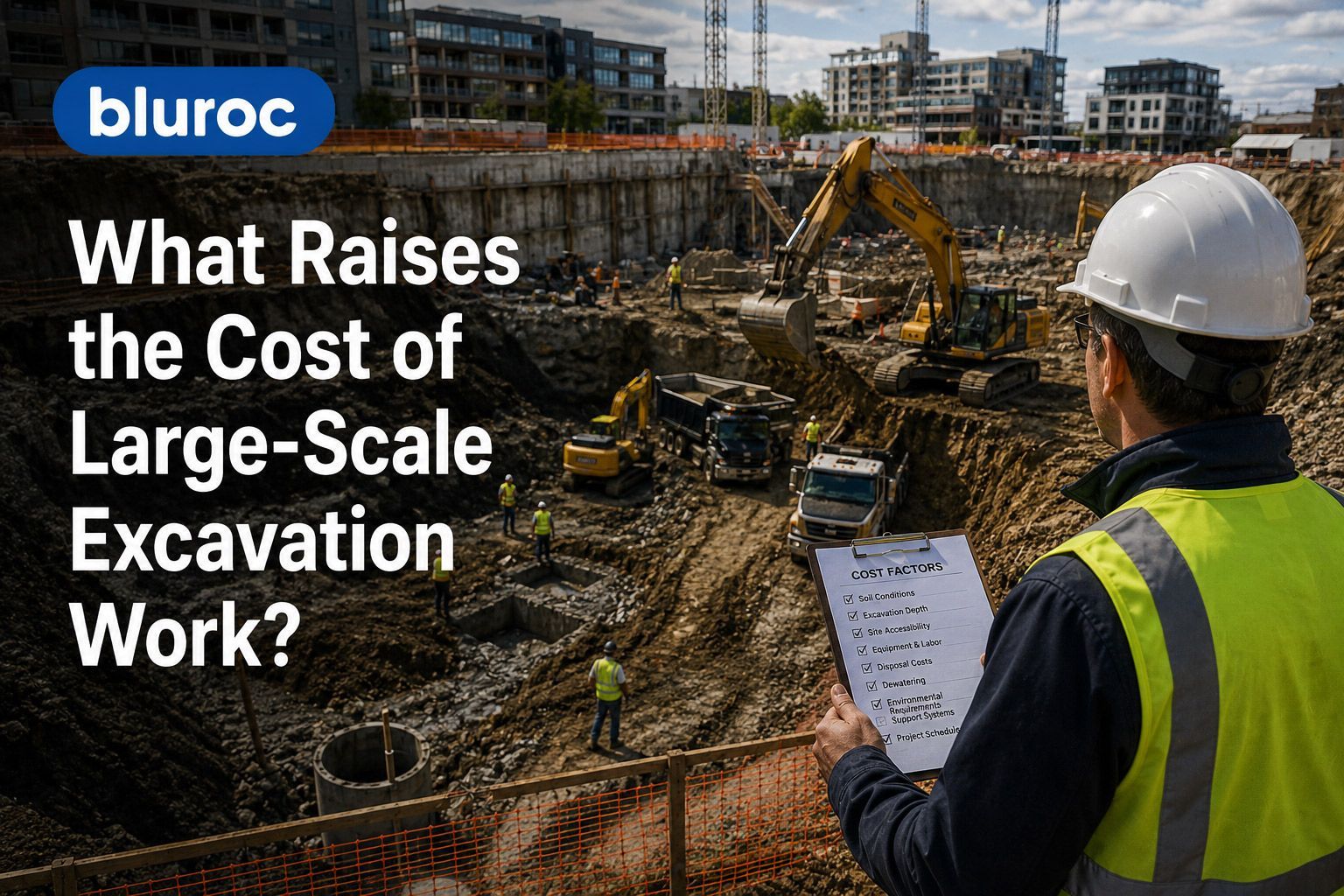
A flat lot with utilities already in place allows construction to start quickly. A hillside property or rural parcel may require:
- Extensive grading
- Specialized foundations
- Drainage systems
- Long utility runs
These are invisible in renderings, but they can add substantial cost before the first wall is framed.
Architectural Design Complexity
Cost is shaped by how a home is built, not just how large it is.
A clean, efficient layout with simple rooflines is faster to construct and easier to coordinate across trades. Designs that include:
- Multiple roof planes
- Vaulted or open-span ceilings
- Large window systems
- Irregular geometry
…require additional engineering, custom framing, and more labor hours at nearly every stage.
Materials and Finish Levels
This is where personal taste directly becomes financial reality.
The difference between standard and premium selections exists in every category:
- Cabinetry
- Flooring
- Countertops
- Windows and doors
- Plumbing and lighting fixtures
Two homes with identical plans can differ by six figures based purely on finish choices. “Custom” does not mean a fixed level of quality—it means you decide.
Labor, Scheduling, and Market Conditions
Labor is dynamic, not fixed.
Costs shift based on:
- Trade availability
- Seasonal demand
- Material lead times
- Project duration
A longer build costs more, even if nothing changes. Extended timelines increase site supervision, equipment rentals, and trade remobilization.
How a Custom Home Budget Takes Shape
A custom home budget forms through a sequence of decisions. It’s not a single estimate—it’s a process.
- Define your financial boundaries.
Establish your target investment, must-have features, and long-term goals. This becomes the framework for every design decision. - Align design with reality.
Plans should evolve alongside cost modeling. This prevents emotional attachment to layouts that exceed the budget. - Segment the budget.
Experienced builders break costs into structural shell, mechanical systems, interiors, exterior features, and site work. This reveals where flexibility exists. - Make intentional trade-offs.
Every custom home balances priorities. More square footage may mean simpler finishes. Architectural drama may reduce room count. Good planning replaces surprise with choice.
Hidden Costs That Catch Homeowners Off Guard
Some expenses don’t appear in early conversations, but emerge during engineering and construction.
Structural Adjustments
Design refinements often require:
- Larger beams
- Steel reinforcement
- Custom trusses
- Foundation upgrades
These are technical necessities, not luxuries.
Mechanical System Requirements
Modern homes frequently need:
- Zoning systems
- Enhanced ventilation
- Energy code upgrades
- Higher electrical capacity
Each adds both equipment and labor.
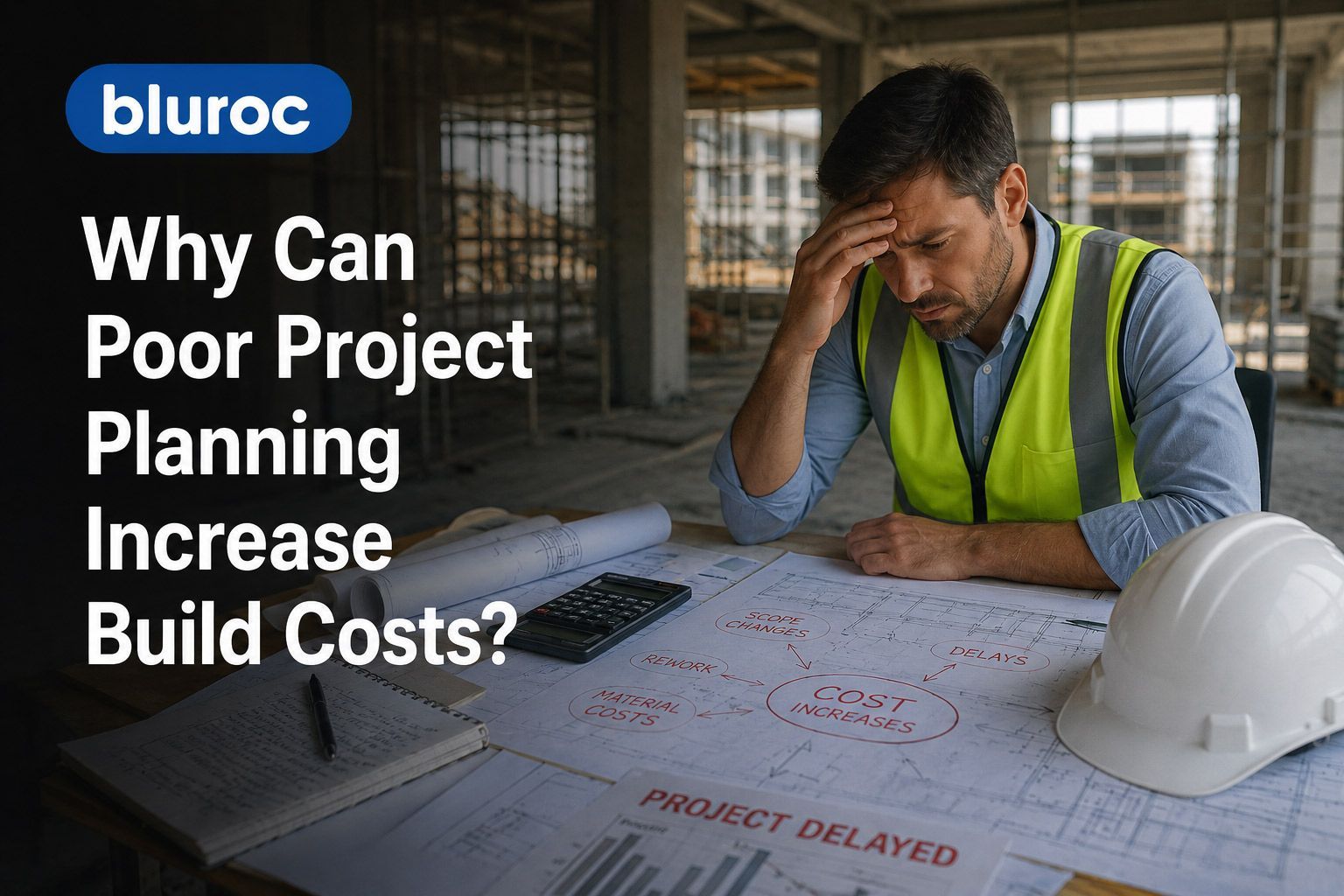
Late-Stage Changes
When selections are delayed, projects incur:
- Rush-order fees
- Rework of installed materials
- Schedule disruption across trades
A single change can ripple through framing, plumbing, electrical, and finishes.
Frequently Asked Questions
How much does a custom home cost per square foot?
There is no universal number. Custom homes vary widely based on design, site conditions, and finish levels. Price-per-foot averages hide critical differences and often mislead planning.
Why do builders give different estimates for the same project?
Builders may assume different scopes, material standards, or construction methods. Without identical specifications, estimates are not directly comparable.
Is building more expensive than buying?
Custom homes often cost more upfront, but they eliminate renovation expenses and compromise. Value depends on long-term goals, not just initial price.
What causes budgets to exceed expectations?
Late design changes, underestimated site work, and upgrades made after construction begins are the most common causes.
Can costs be controlled without sacrificing quality?
Yes. Early coordination between design and construction allows homeowners to allocate funds intentionally instead of reactively.
Building With Cost Clarity
Custom home cost is cumulative. Every square foot, roof angle, and finish choice contributes to the final number.
What creates stress is not expense—it’s uncertainty.
When design, budgeting, and construction are coordinated from the beginning, homeowners gain clarity before commitments are made. That clarity transforms a complex project into a manageable one.
If you’re planning a custom home in Utah, the most valuable first step is understanding what truly drives cost. The earlier those conversations happen, the more control you retain over the outcome.