What Impacts Commercial Build Costs the Most?
March 1, 2026
Introduction
Commercial construction budgets rarely fail because of one large mistake. They drift because dozens of small decisions quietly compound. A square foot here. A ceiling height there. A code upgrade that wasn’t anticipated. A layout that looks efficient on paper but creates complexity in the field.
Unlike residential projects, commercial builds are shaped by regulation, occupancy type, and operational requirements. Two buildings with the same footprint can differ dramatically in cost depending on what happens inside them.
Understanding what truly drives commercial construction cost is how owners move from reacting to numbers to planning with intention.
The Major Cost Drivers in Commercial Construction
Commercial build costs are shaped less by aesthetics and more by function. What a space does matters more than how it looks.
At the highest level, cost is driven by three forces: use classification, building performance requirements, and operational complexity. Each of these alters structure, systems, and sequencing.
Occupancy Type
A retail storefront, medical clinic, restaurant, and office may share square footage—but not requirements.
Each use class triggers different demands for:
- Fire separation
- Plumbing density
- Electrical capacity
- Mechanical systems
- Accessibility compliance
A café needs grease management and ventilation. A clinic requires medical-grade systems. A warehouse prioritizes structural capacity over finish. The function of the space determines its technical burden.
Code and Regulatory Environment
Commercial projects live inside stricter frameworks.
Building codes, zoning ordinances, fire regulations, and accessibility standards dictate:
- Corridor widths
- Egress paths
- Restroom counts
- Door hardware
- Ceiling assemblies
These are not design preferences. They are non-negotiable requirements that shape both layout and cost.
Performance Expectations
Modern commercial buildings are expected to do more.
They must manage:
- Energy efficiency
- Indoor air quality
- Noise control
- Lighting performance
- Load distribution
Each layer of performance adds equipment, coordination, and testing.
Where Costs Escalate in Real Projects
Commercial budgets rarely expand because of one decision. They grow through interaction.
Mechanical and Electrical Systems
In most commercial builds, mechanical and electrical work represents the largest cost segment after structure.
High loads, zoning, redundancy, and future capacity all drive system size. A space designed without mechanical clarity often requires late-stage upgrades, which are expensive and disruptive.
Structural Demands
Commercial layouts often seek open floor areas. That requires:
- Long spans
- Steel framing
- Reinforced foundations
- Specialized connections
Structure becomes more than support—it becomes a design feature.
Finish Durability
Commercial finishes are not chosen for style alone.
They must withstand:
- Foot traffic
- Cleaning chemicals
- Equipment impact
- Continuous use
Durable materials cost more upfront but reduce lifecycle expense. Owners must decide where longevity matters most.
How Planning Determines Cost Behavior
Commercial projects behave differently depending on when decisions are made.
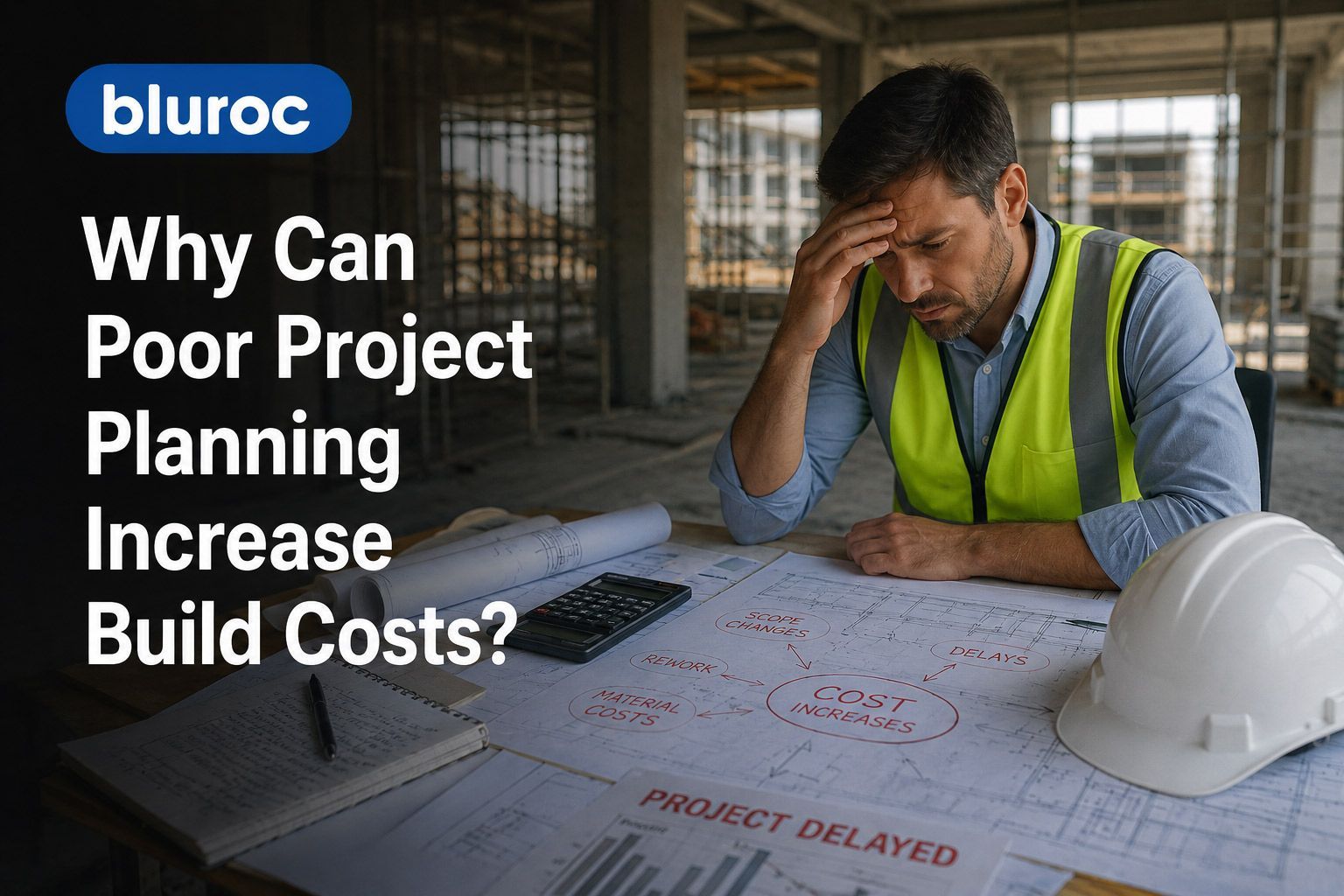
Early clarity produces linear cost growth. Late changes create exponential impact.
- Concept defines use.
- Use defines code.
- Code defines systems.
- Systems define structure.
- Structure defines cost.
When this chain is broken—when design advances before use is fully defined—projects experience rework.
Common Budget Pitfalls in Commercial Builds
Cost overruns usually trace back to predictable patterns.
Undefined Operational Needs
When owners are unclear about how the space will function, systems are underdesigned. Later upgrades affect framing, ceilings, and layout.
Underestimating Compliance
Accessibility, fire separation, and egress are often assumed to be “minor.” In reality, they reshape entire floor plans.
Treating Commercial Like Residential
Commercial construction is not a scaled-up home. It is a different discipline with different risk.
Frequently Asked Questions
Why do commercial builds vary so widely in cost?
Because use type, code requirements, and system complexity differ. Two spaces of equal size may require entirely different infrastructure.
What part of a commercial build costs the most?
Mechanical and electrical systems often dominate budgets due to performance and compliance requirements.
Can early planning really reduce cost?
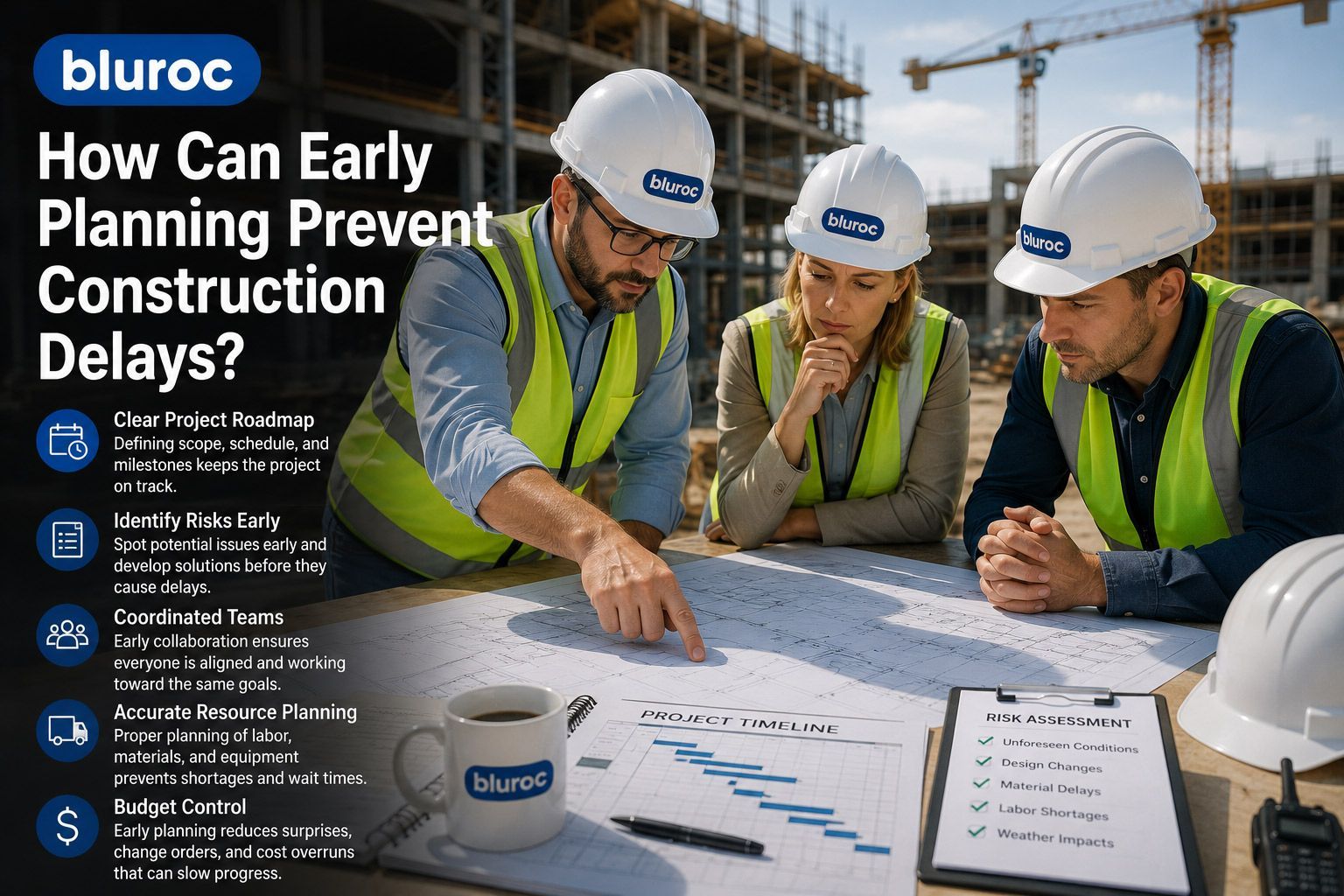
Yes. When use, code, and systems are aligned from the start, projects avoid redesign and rework.
Do finishes matter as much as systems?
Finishes matter, but systems drive core cost. A beautiful space without adequate infrastructure will fail.
Is value engineering just cutting features?
No. It is reallocating investment toward what truly supports function and longevity.
Building With Purpose
Commercial construction is not about filling space. It is about enabling function.
Cost is shaped by how a building is used, how it must perform, and how it must comply. When those factors are defined early, budgets behave predictably. When they are discovered late, cost becomes volatile.
The most successful projects treat planning as a financial tool, not just a design phase.
This is the perspective Bluroc Development brings to commercial projects—aligning operational goals, regulatory requirements, and construction reality from the beginning. That alignment is what turns a complex build into a controlled investment.