What Does It Take to Build a Custom Home in Pleasant Grove?
April 26, 2026
Introduction
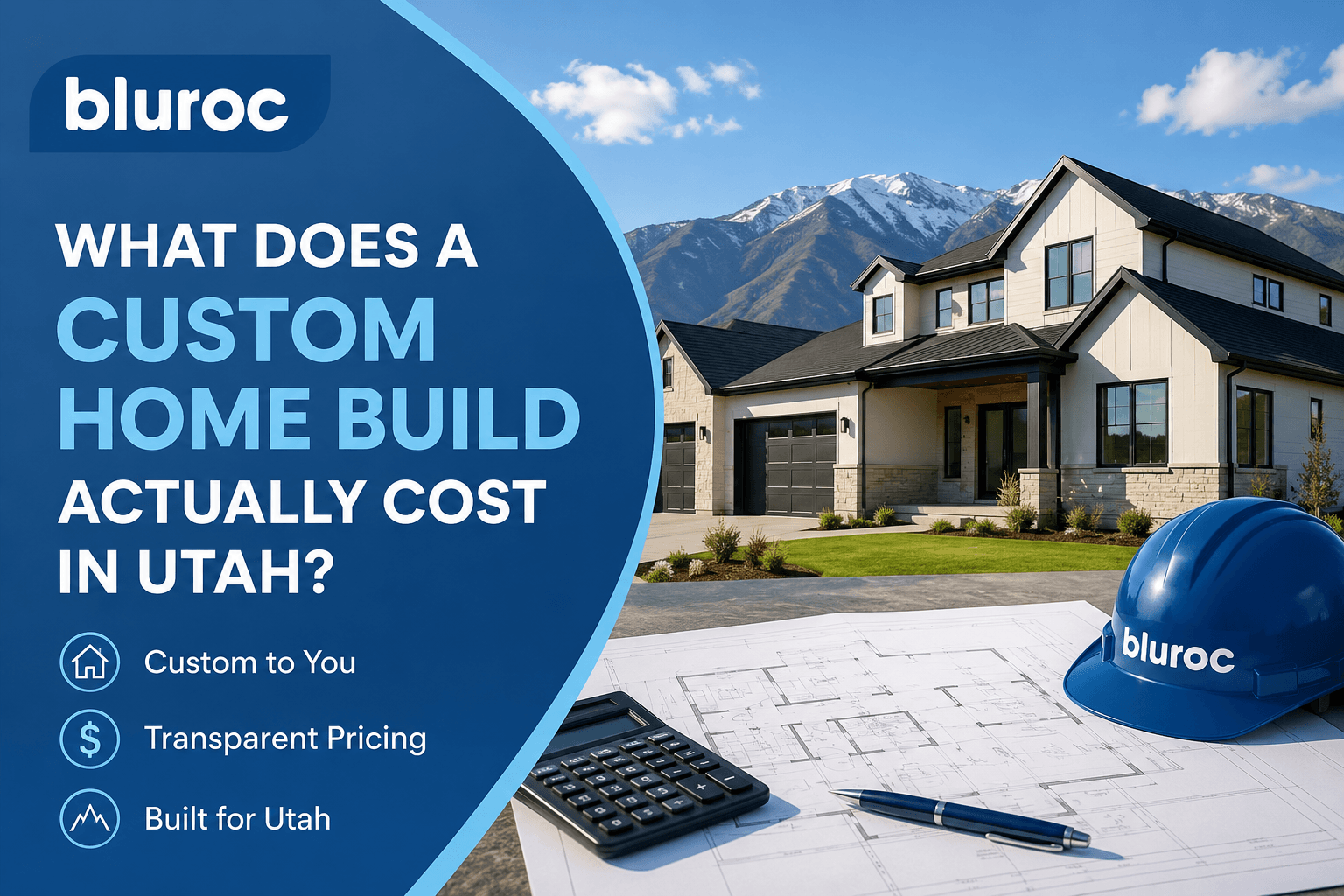
Building a custom home in Pleasant Grove is not just about choosing a design and hiring a builder. It is a process shaped by land conditions, city regulations, climate, and long-term planning decisions that begin months before construction starts.
Pleasant Grove offers a unique mix of foothill terrain, established neighborhoods, and growing residential demand. That environment creates both opportunity and responsibility. A successful custom home here is not simply well-designed—it is properly sited, permitted, engineered, and coordinated within local conditions.
Understanding what the process actually involves turns a vague dream into a realistic plan.
The Foundation of Every Custom Build
Every custom home in Pleasant Grove begins with two immovable factors: the lot and the municipality.
The land determines how a home can be placed. The city determines how it must be approved.
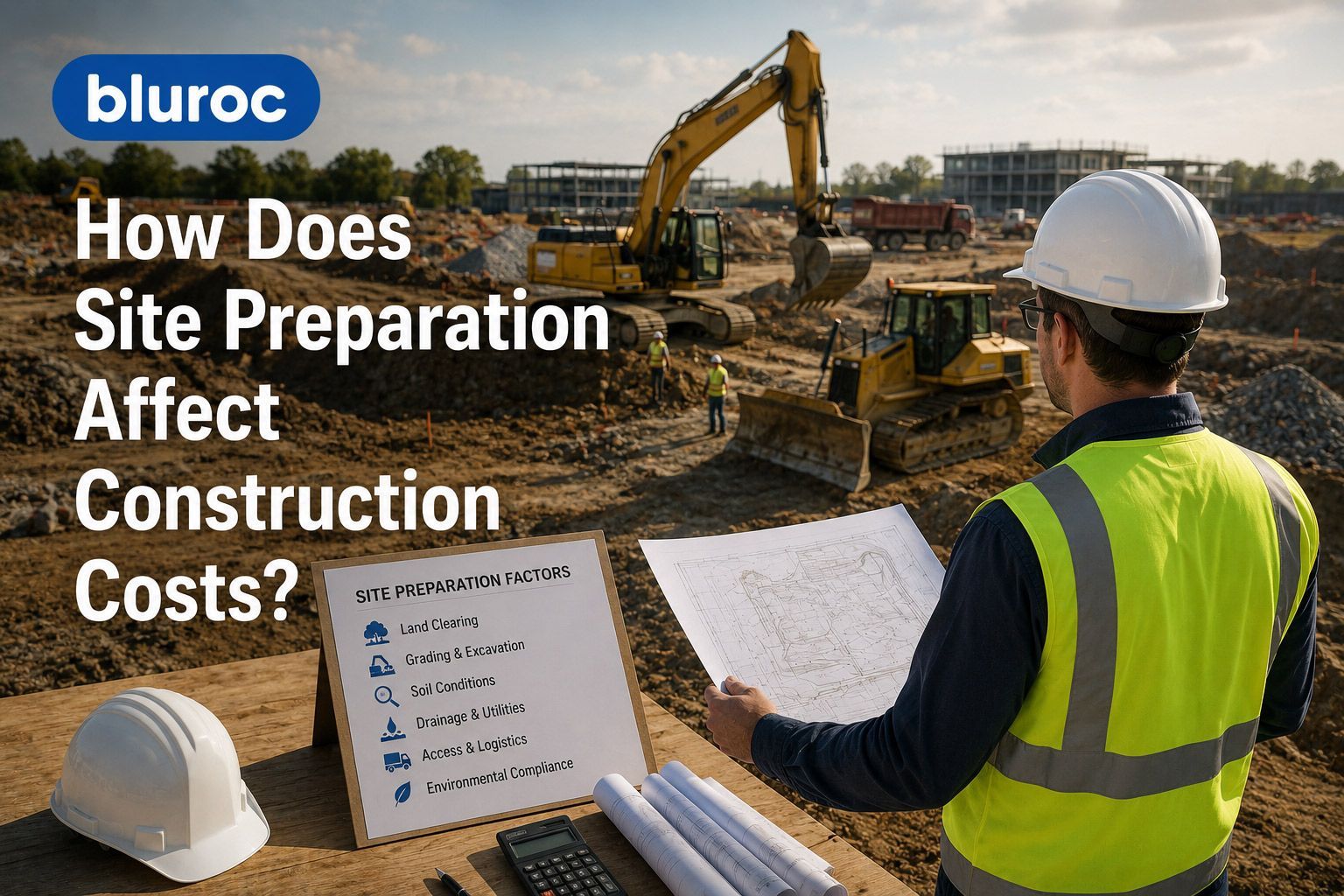
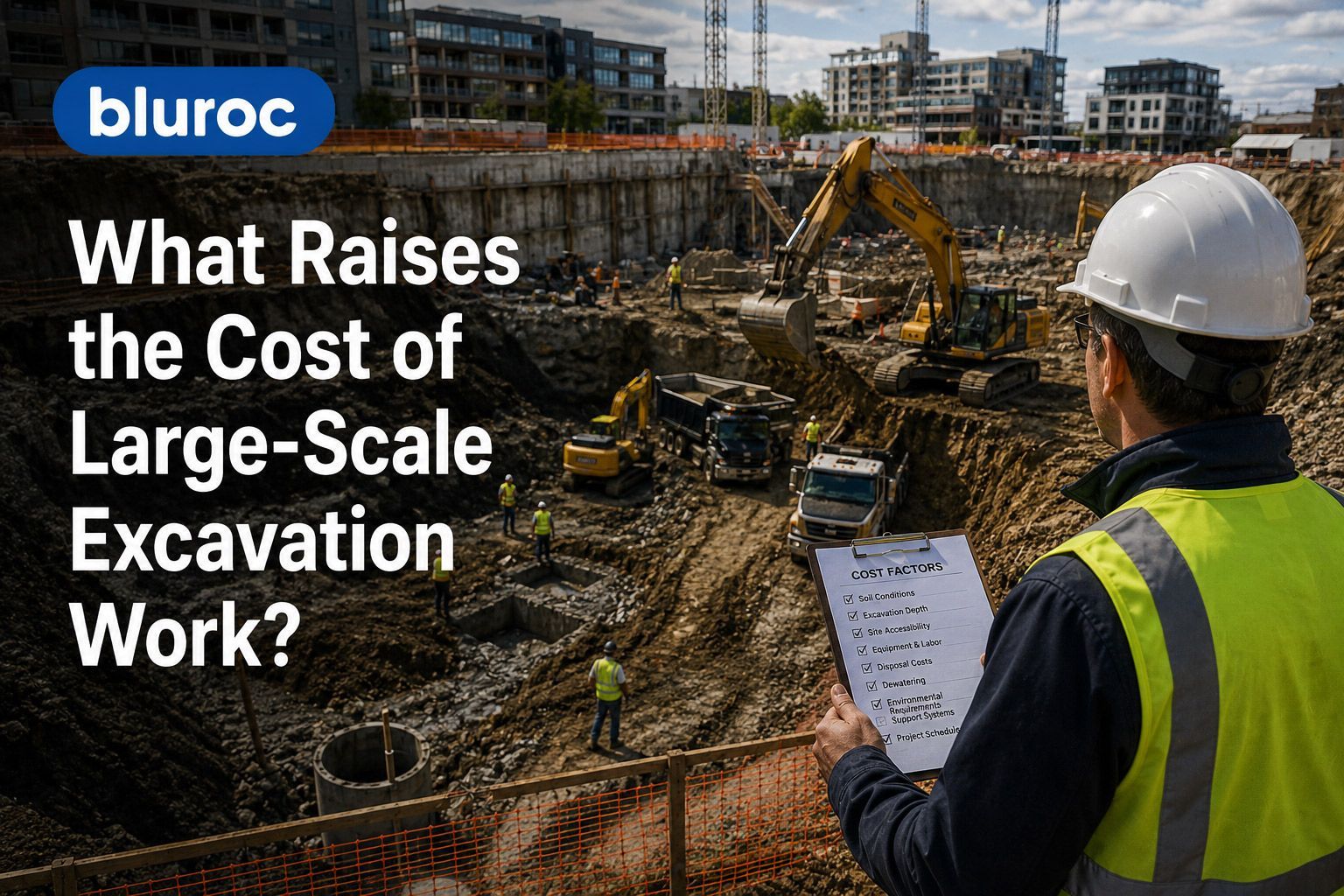
Before design even begins, homeowners must understand slope, soil behavior, drainage patterns, and access. A hillside lot in Pleasant Grove may require engineered foundations, retaining systems, and specialized excavation. A flat infill lot may appear simpler but still involve utility coordination and zoning constraints.
At the same time, Pleasant Grove’s building department governs setbacks, height limits, lot coverage, and architectural compliance. These rules shape what is possible long before a floor plan exists.
A custom home is never built in isolation. It is built in relationship with land and law.
From Vision to Viable Plan
A custom home becomes real only when imagination meets structure.
The early phase is not about finishes. It is about alignment.
Design must account for:
- Site orientation and topography
- Views and neighboring properties
- Solar exposure and climate behavior
- Setbacks and zoning requirements
Homes designed without these realities often require revision after submission, delaying approvals and increasing cost.
In Pleasant Grove, this phase determines whether a project moves smoothly or stalls. A concept that ignores terrain or local code will not survive review.
The Real Phases of a Pleasant Grove Custom Build
Custom homes in Pleasant Grove follow a sequence shaped by both process and place.
- Site evaluation and feasibility
- Architectural and structural design
- City review and permitting
- Site preparation and foundation
- Structural framing
- Mechanical systems
- Interior and exterior finishes
- Final inspections and occupancy
Construction may last 8–12 months. The full journey often spans 12–18 months from concept to move-in.
This is not delay—it is coordination across design, engineering, review, and construction.
What Makes Pleasant Grove Different
Pleasant Grove’s geography and growth pattern introduce specific considerations.
Terrain and Drainage
Foothill areas require thoughtful grading and water management. Homes must be engineered to resist movement, manage runoff, and integrate with slope rather than fight it.
Established Neighborhoods
Many custom builds occur as infill projects. These require sensitivity to:
- Adjacent properties
- Access limitations
- Utility tie-ins
- Construction staging
The home must fit both physically and contextually.
Climate and Exposure
Utah’s seasonal swings influence:
- Foundation design
- Insulation strategy
- Roof structure
- Material durability
Homes must perform across heat, cold, snow, and sun.
The Role of Early Coordination
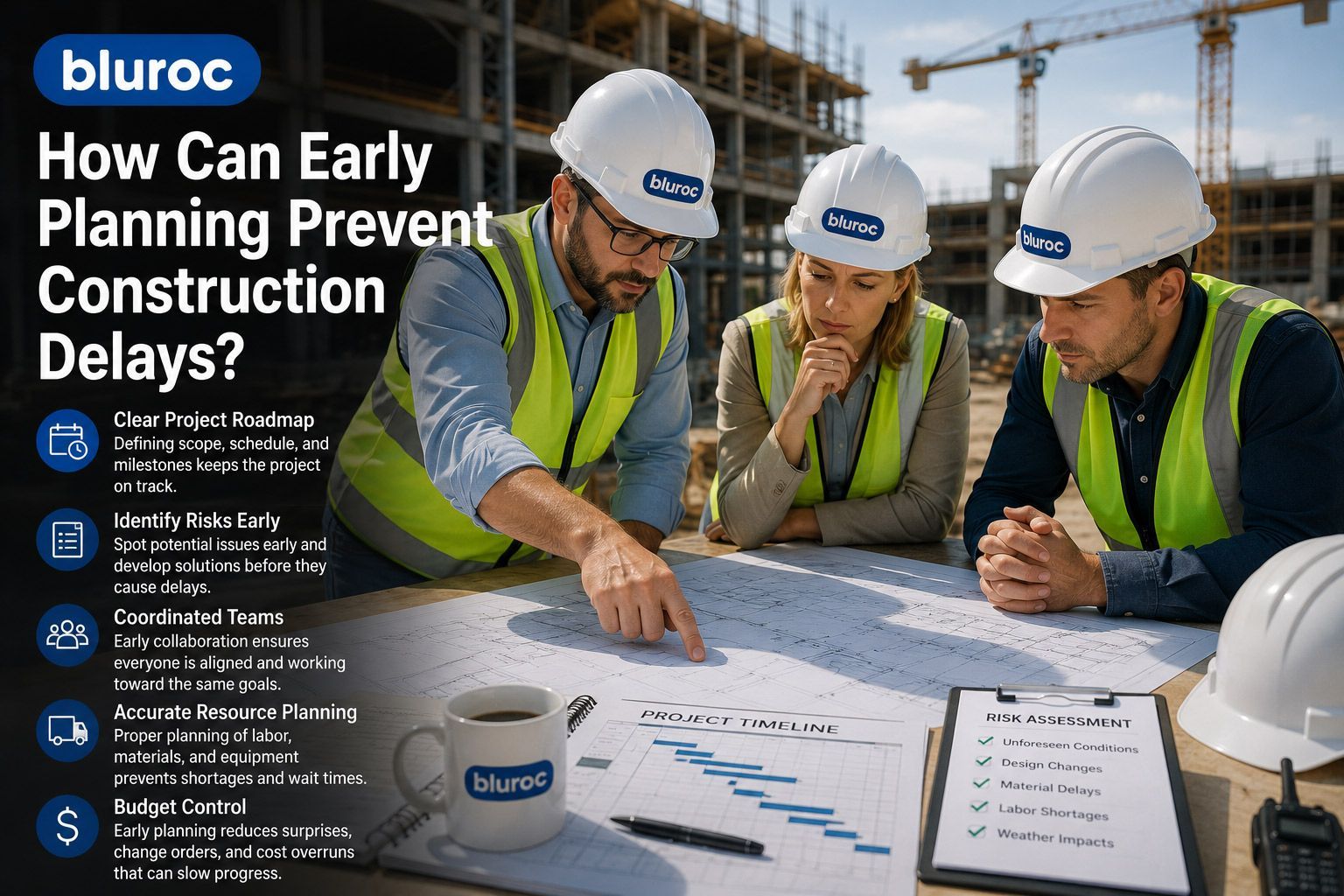
Custom homes succeed when design and construction are not separated.
When builders are involved early, they help translate vision into buildable form. They identify structural efficiencies, anticipate code implications, and align material selections with schedule realities.
This prevents:
- Late redesigns
- Permit delays
- Structural surprises
- Cost volatility
A custom home becomes predictable when planning is integrated.
Frequently Asked Questions
How long does it take to get permits in Pleasant Grove?
Timelines vary based on complexity and completeness. Well-prepared plans move faster than evolving designs.
Are hillside lots more expensive to build on?
Often, yes. Slope introduces engineering, excavation, and drainage costs.
Can any design be approved?
No. Homes must comply with zoning, setbacks, height limits, and local standards.
Is it better to design first or choose a builder first?
Choosing a builder early allows design to align with construction realities.
Do custom homes here require special foundations?
Some sites do. Soil conditions and slope determine foundation type.
Building With Local Intelligence
A custom home is not just a personal expression—it is a response to place.
In Pleasant Grove, success depends on understanding terrain, regulation, and climate as much as style. Homes that ignore those forces struggle. Homes that respect them endure.
This is where local experience matters. Bluroc Development approaches custom homes as site-specific projects, not generic builds—aligning design, land, and city process from the start. That perspective transforms complexity into clarity and ensures that every custom home in Pleasant Grove is not just beautiful, but built to belong.