Why Do Some Commercial Builds Take Longer Than Planned?
May 4, 2026
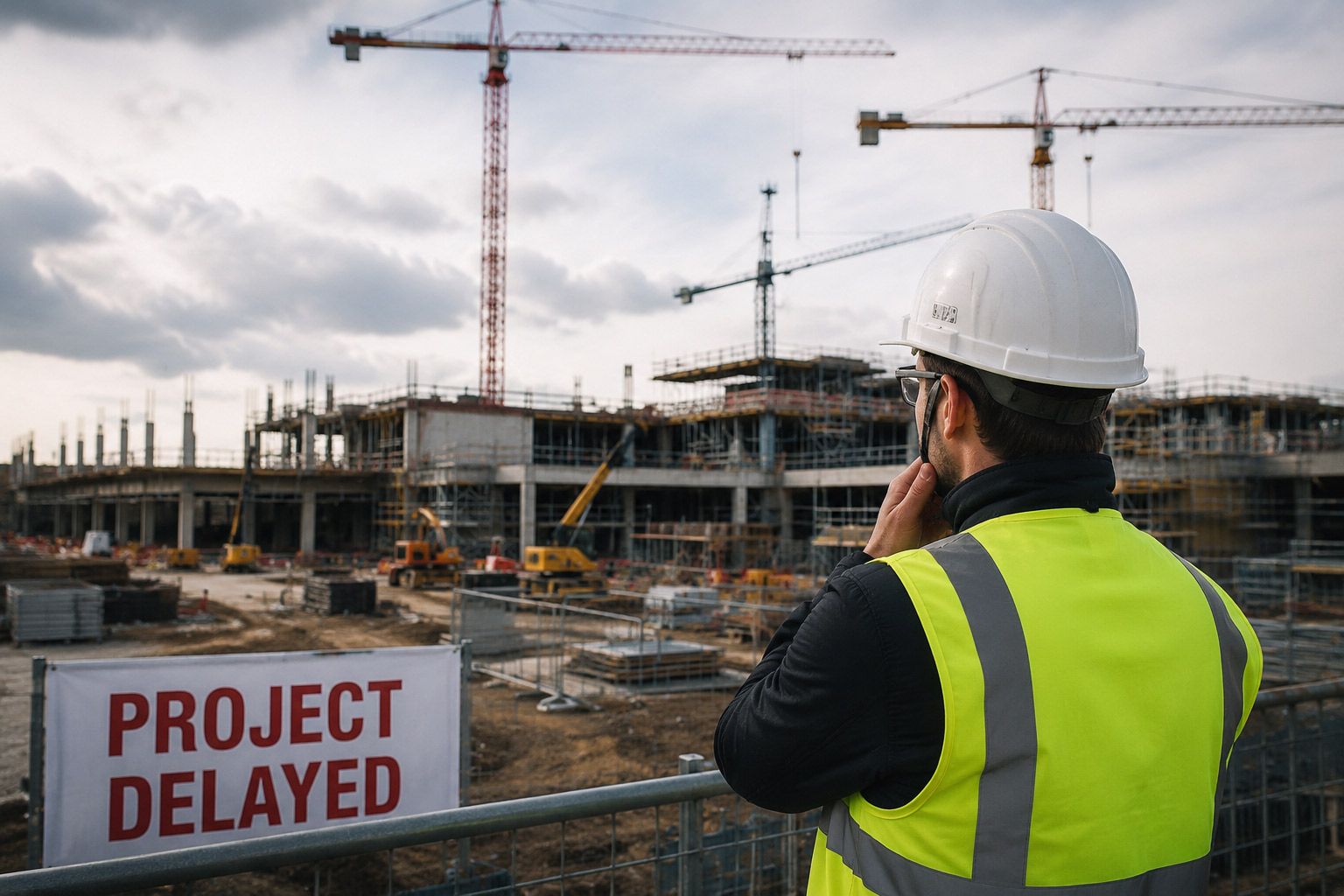
Construction Delays Usually Start Long Before the Schedule Falls Behind
A commercial construction project rarely falls behind schedule because of one single problem. More often, delays develop gradually as smaller issues begin stacking together throughout the project timeline.
At the beginning, everything may appear on track. Permits are submitted, excavation begins, materials are ordered, and crews start working according to schedule. Then one delay affects another. Site preparation takes longer than expected. Material shipments move back several weeks. Weather interrupts concrete work. Design revisions create coordination issues between trades.
Suddenly, a project that originally seemed straightforward starts extending far beyond the planned completion date.
Commercial construction timelines in Utah are influenced by many moving parts working simultaneously. Even relatively small disruptions can affect subcontractors, inspections, material deliveries, and construction sequencing throughout the entire build.
Understanding why some commercial builds take longer than planned helps property owners, developers, and business operators prepare more realistically for construction timelines and reduce avoidable delays before work even begins.
Site Conditions Often Create Unexpected Delays
One of the biggest schedule risks in commercial construction is what happens before vertical construction even starts.
The condition of the job site itself can dramatically affect the timeline.
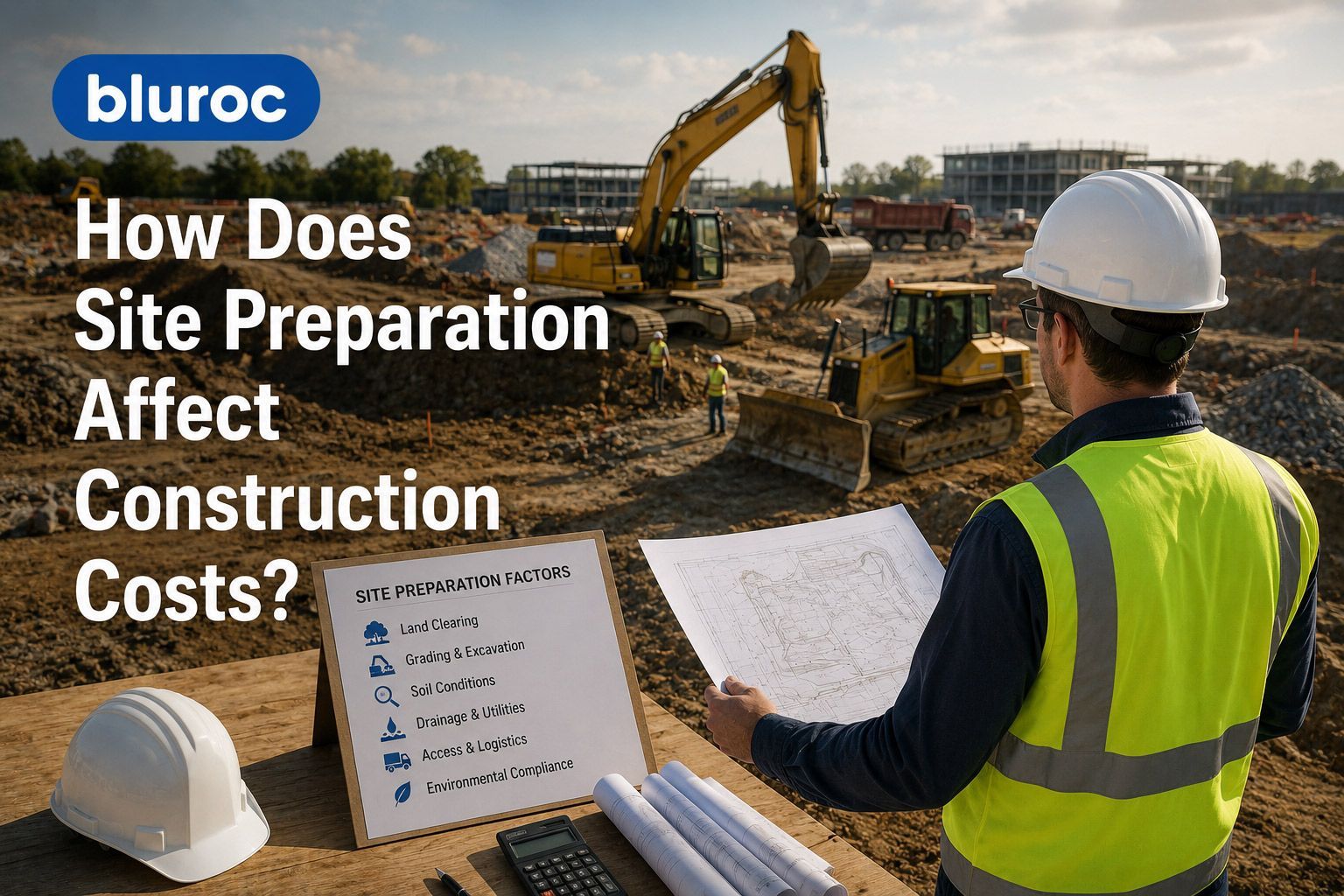
Excavation and Ground Preparation Can Take Longer Than Expected
Not every commercial property is immediately ready for construction.
Some Utah job sites may require:
- Extensive grading
- Soil stabilization
- Utility relocation
- Rock removal
- Drainage corrections
- Environmental preparation
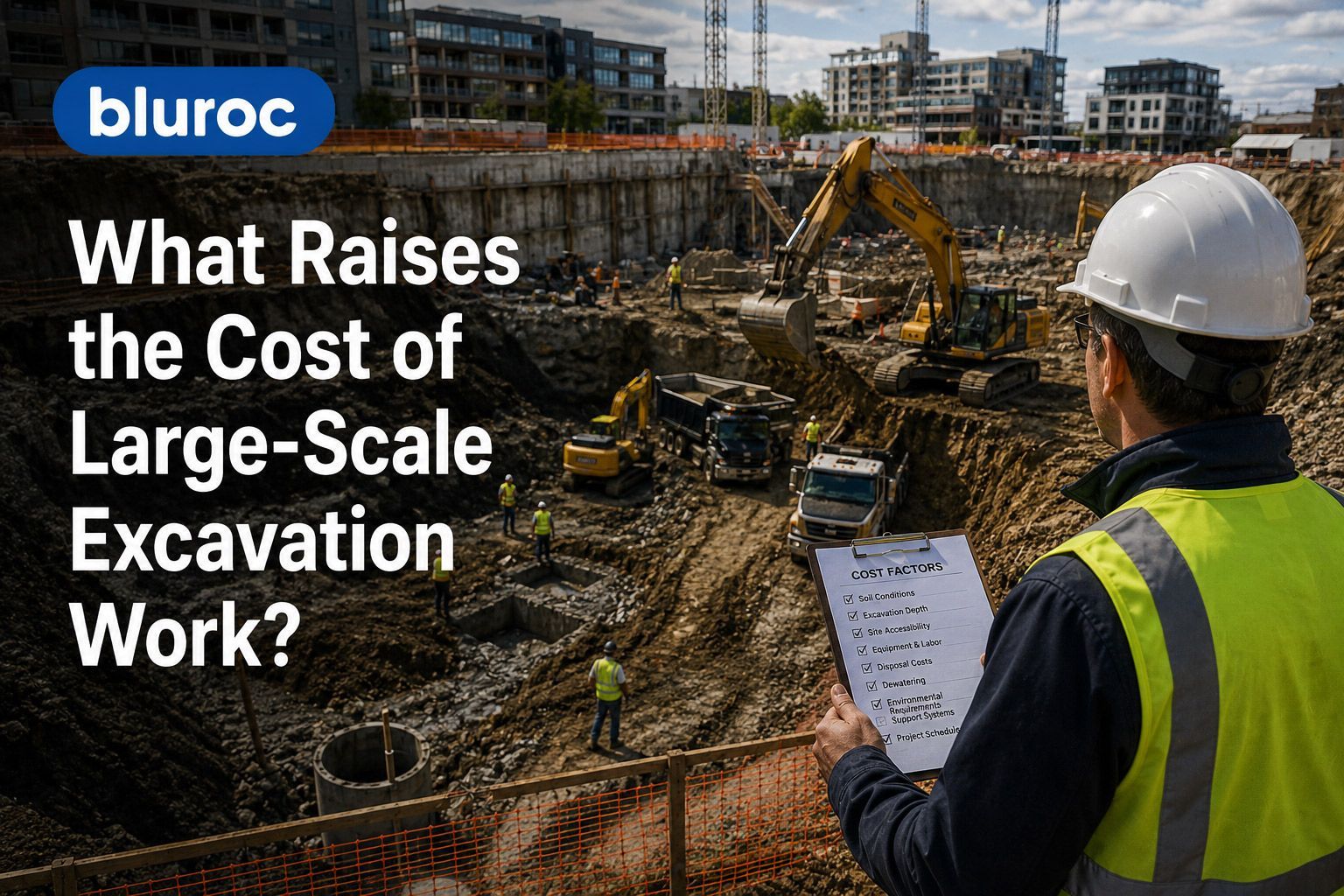
Unexpected underground conditions can slow excavation significantly, especially if crews encounter unstable soil, buried debris, or utility conflicts that were not fully identified beforehand.
Delays during site preparation tend to affect every stage that follows because foundational work cannot begin until the site is fully prepared.
Weather Can Interrupt Early Construction Phases
Utah weather conditions can create scheduling complications throughout the year.
Heavy snow, frozen ground, rain, or temperature swings may temporarily delay:
- Excavation
- Concrete pours
- Framing
- Roofing
- Exterior finishes
Certain construction activities depend heavily on weather conditions and cannot proceed safely or properly under poor site conditions.
Even short weather interruptions sometimes create larger schedule problems later if subcontractor availability shifts afterward.
Permit and Inspection Timelines Affect Construction Progress
Commercial projects depend heavily on approvals from local jurisdictions.
Permit Processing Can Vary Significantly
Permitting timelines often depend on:
- Project complexity
- Local municipality workload
- Design revisions
- Engineering requirements
- Zoning reviews
Some projects move through approval quickly, while others require additional corrections or resubmissions before permits are approved.
In growing parts of Utah, increased construction activity can also extend review timelines because local departments may already be handling large permit volumes.
Inspections Control When Work Can Continue
Commercial construction follows phased inspections throughout the build.
For example, projects may require inspections for:
- Foundations
- Structural framing
- Electrical systems
- Plumbing systems
- Fire suppression
- Final occupancy approval
If inspections reveal corrections that need adjustment, crews may need to pause portions of the project until issues are resolved and re-inspected.
That interruption can affect multiple subcontractors scheduled afterward.
Material Availability Can Shift Project Schedules Quickly
Commercial builds depend on dozens of products arriving at the correct time.
When one major component becomes delayed, the construction sequence often changes.
Specialty Materials May Have Long Lead Times
Some commercial projects require custom or specialized materials that are not immediately available locally.
These may include:
- Steel components
- Commercial glass systems
- HVAC equipment
- Electrical gear
- Custom millwork
- Specialty finishes
Certain items may require manufacturing or shipping schedules extending several weeks or months.
If these materials arrive late, portions of the build may pause entirely while crews wait.
Design Changes Sometimes Reset Ordering Timelines
Mid-project design revisions frequently create scheduling complications.
Changing materials, layouts, finishes, or structural components after ordering has already started may require:
- Re-approval
- Re-fabrication
- New lead times
- Additional engineering review
Even small changes can create ripple effects throughout the project schedule.
Coordination Between Trades Is Extremely Important
Commercial construction depends heavily on sequencing.
Different subcontractors must complete work in the proper order before the next phase can begin.
One Delay Often Affects Multiple Crews
If framing runs behind schedule, it can delay:
- Electrical rough-in
- Plumbing installation
- HVAC work
- Insulation
- Drywall installation
This creates a chain reaction because multiple trades rely on one another’s completion timelines.
Scheduling becomes especially challenging on larger Utah commercial projects where many subcontractors work simultaneously.
Labor Availability Can Affect Scheduling
Construction labor availability fluctuates depending on market demand and project volume.
During busy construction periods, skilled subcontractors may already have heavily booked schedules. If delays force rescheduling, finding new openings may take additional time.
This is one reason smaller delays sometimes grow into larger scheduling problems later.
Scope Changes Commonly Extend Timelines
Commercial projects often evolve after construction begins.
Clients Sometimes Request Mid-Project Adjustments
As projects progress, owners may decide to modify:
- Layouts
- Finishes
- Lighting
- Office configurations
- Exterior details
- Equipment placement
While some adjustments appear minor, they may still require redesign, reordering, or additional coordination.
Changes become more complicated once framing, mechanical systems, or finishes are already underway.
Decision Delays Can Pause Progress
Commercial projects move fastest when decisions happen quickly and clearly.
Waiting on approvals for finishes, materials, layouts, or design revisions can slow production because crews may not know how to proceed until final direction is confirmed.
Project Size and Complexity Matter
Larger and more technical builds naturally involve more scheduling risk.
Complex Buildings Require More Coordination
Commercial projects involving multiple systems often require detailed coordination between:
- Structural engineering
- Electrical systems
- HVAC systems
- Plumbing systems
- Fire suppression systems
- Technology infrastructure
The more systems involved, the more opportunities there are for coordination delays.
Multi-Phase Projects Extend Timelines
Some commercial builds happen in stages rather than all at once.
For example:
| Project Type | Why Timelines Extend |
|---|---|
| Tenant improvements | Coordination with active businesses |
| Office renovations | Phased occupancy requirements |
| Retail construction | Utility coordination |
| Mixed-use buildings | Multiple approval stages |
| Large commercial facilities | Extensive subcontractor scheduling |
Projects involving occupied spaces or phased turnover schedules often take longer than ground-up construction alone.
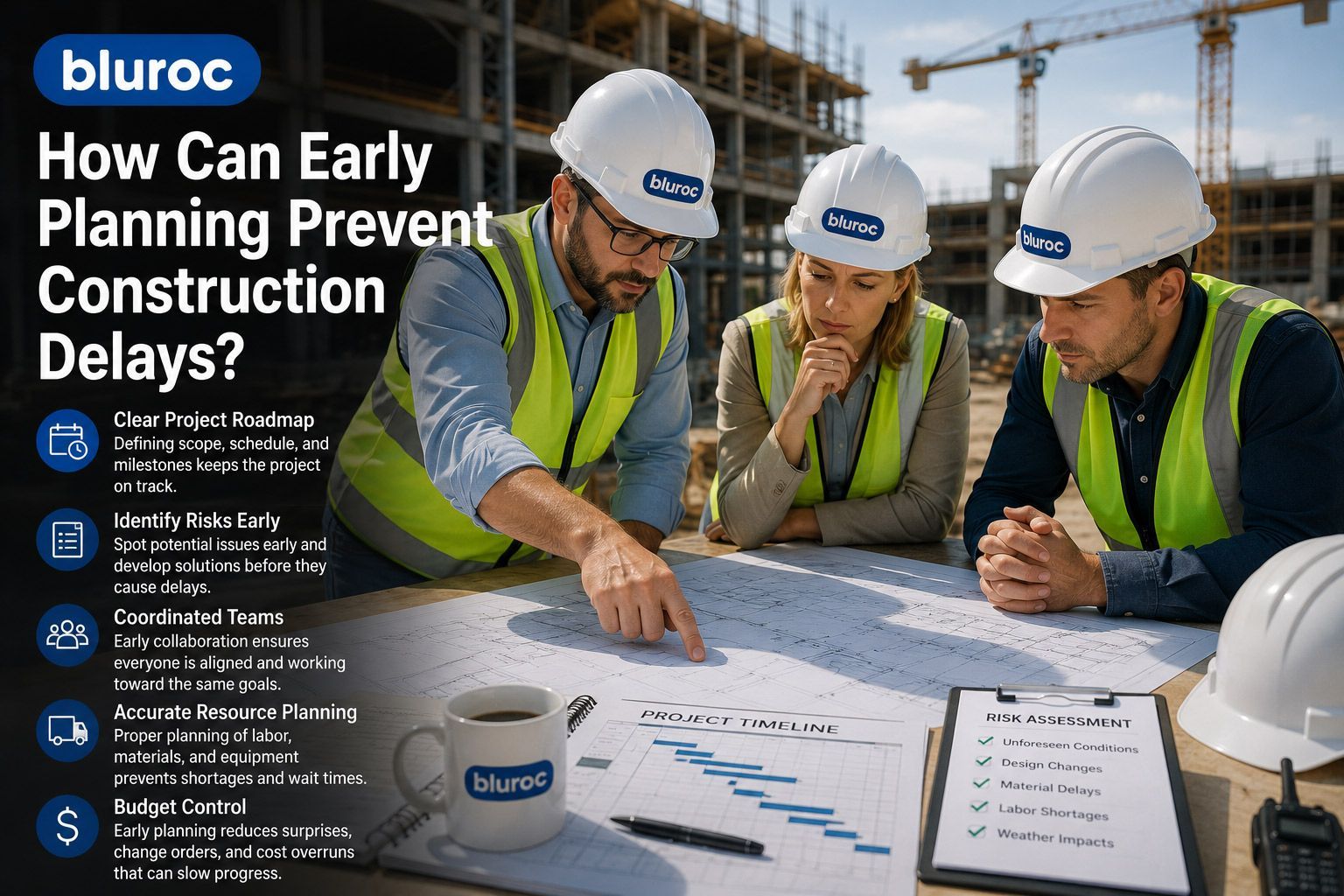
How Early Planning Helps Reduce Delays
Not every delay is avoidable, but strong planning usually improves timeline reliability significantly.
Detailed Pre-Construction Planning Matters
Projects often move more efficiently when planning includes:
- Clear scope definition
- Early budgeting
- Permit preparation
- Material coordination
- Realistic scheduling
- Trade sequencing
The more questions resolved before construction starts, the fewer surprises typically appear later.
Communication Helps Prevent Larger Problems
Consistent communication between contractors, owners, architects, and subcontractors helps identify scheduling risks early.
Small problems are usually easier to manage before they affect multiple project phases.
Frequently Asked Questions About Commercial Construction Delays
Why do commercial construction projects get delayed?
Delays commonly involve permitting, weather, labor availability, material shortages, site conditions, or design changes during construction.
Can weather affect commercial construction timelines in Utah?
Yes. Snow, frozen ground, rain, and temperature conditions may temporarily delay excavation, concrete work, roofing, and exterior construction.
Do permit approvals slow construction projects?
They can. Permit review timelines vary depending on municipality workload, project complexity, and required revisions.
Why do design changes extend schedules?
Changes may require new materials, revised engineering, updated approvals, or additional coordination between trades.
How can commercial projects avoid major delays?
Strong pre-construction planning, clear communication, realistic scheduling, and early decision-making help reduce timeline disruptions.
Conclusion
Commercial builds often take longer than planned because construction depends on many moving parts working together at the same time. Site preparation, permitting, weather, material availability, labor coordination, and project changes can all affect how efficiently a project moves forward.
For commercial construction projects in Utah, realistic planning and strong coordination are usually some of the biggest factors in keeping schedules manageable and reducing avoidable disruptions during the build process.
Bluroc Development works on commercial and construction projects throughout Utah with a focus on planning, coordination, and long-term project functionality from early preparation through final completion.