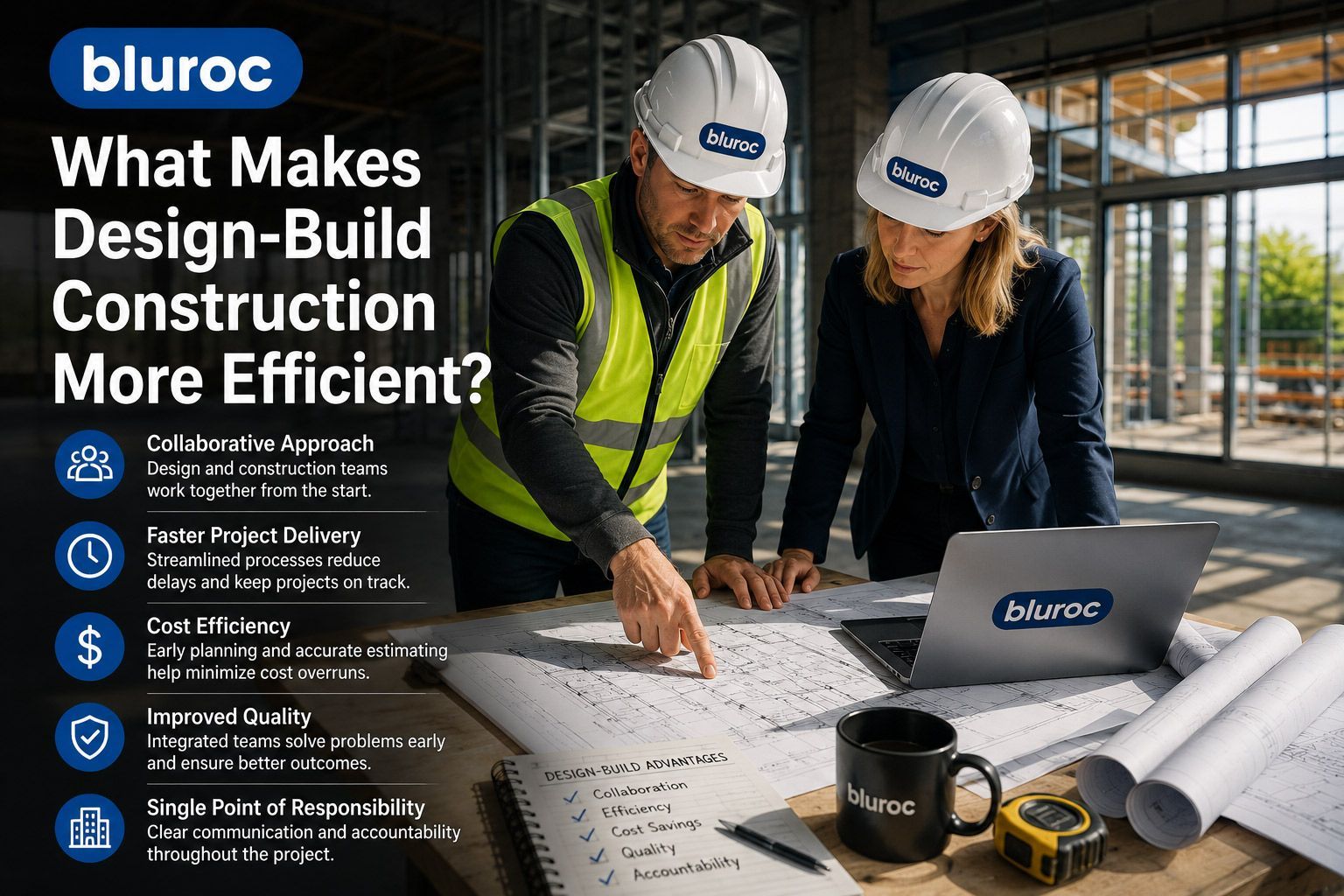
What Makes Design-Build Construction More Efficient?
August 2, 2026
Construction Efficiency Often Depends on How Early Teams Start Coordinating
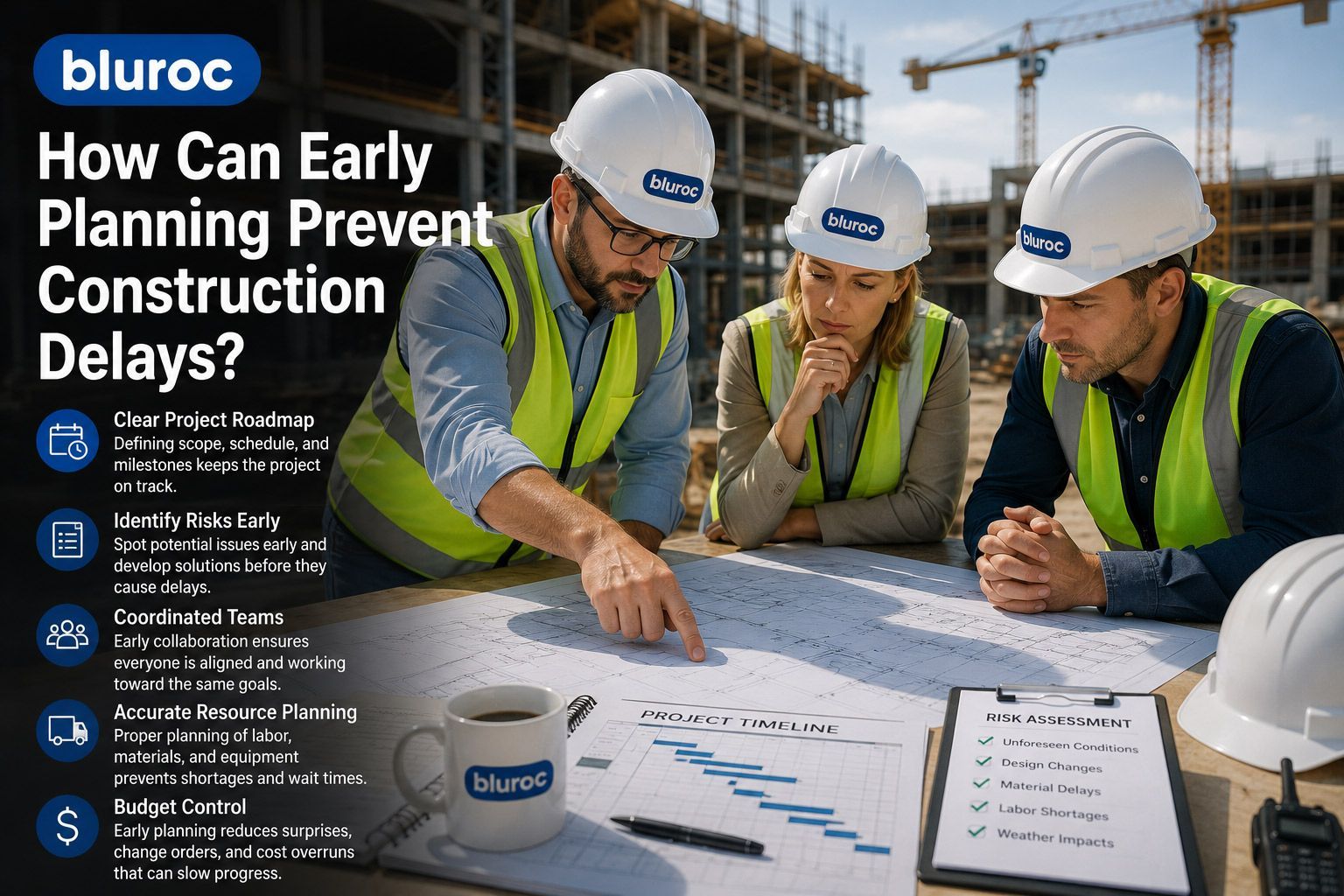
Many construction delays and budget problems happen because design and construction teams work separately for too long during the project.
In traditional construction methods, the design phase is usually completed first before contractors fully enter the process. That separation can create communication gaps between design decisions, construction feasibility, scheduling, and budgeting. Problems are often discovered later after plans are already finalized and construction preparation has begun.
Design-build construction works differently because the design and construction process are coordinated together from earlier stages of the project.
Instead of separating responsibilities into completely different phases, design-build projects typically allow designers, builders, and project teams to collaborate throughout planning, budgeting, scheduling, and construction development at the same time.
For residential and commercial construction projects throughout Utah, this coordinated structure often improves communication, reduces delays, and creates more efficient project management from early planning through final construction.
Design and Construction Teams Work Together Earlier
One of the biggest efficiency advantages in design-build construction is early coordination between planning and construction teams.
Instead of finalizing the entire design before construction discussions begin, both sides of the project are developed together throughout the process.
Earlier Construction Input During Design
In traditional project structures, some construction concerns are not fully identified until bidding or active construction begins.
Design-build projects allow construction teams to provide earlier input involving:
- Material availability
- Scheduling concerns
- Site conditions
- Budget limitations
- Construction sequencing
- Infrastructure coordination
This often helps identify practical construction challenges before they become expensive revisions later.
Faster Problem Solving
Because design and construction teams communicate continuously, project adjustments can often happen more efficiently.
Questions involving layouts, material selections, scheduling, or field conditions usually move through fewer approval layers compared to projects where multiple separate parties must coordinate independently.
This often reduces delays during active construction phases.
Project Timelines Often Move More Efficiently
Design-build construction frequently improves scheduling because portions of the project can overlap instead of waiting for complete phase separation.
Traditional construction methods usually follow a more linear sequence where one phase finishes entirely before the next phase begins.
Design-build projects often allow earlier coordination between:
- Design development
- Budget planning
- Site preparation
- Material coordination
- Construction sequencing
This overlap can reduce downtime between project stages.
Budget Planning Usually Becomes More Integrated
Construction budgeting often becomes more accurate when design and construction teams coordinate together early in the process.
In traditional project structures, budgets sometimes need major adjustment later if completed designs exceed construction realities.
Earlier Cost Awareness
Design-build coordination allows construction pricing considerations to stay connected to design decisions throughout development.
This helps project teams evaluate:
- Material selections
- Structural systems
- Site preparation needs
- Scheduling impacts
- Labor requirements
before the project moves too far into finalized plans.
Reduced Mid-Project Redesign
When budgeting and construction planning happen together, projects are often less likely to require major redesigns later.
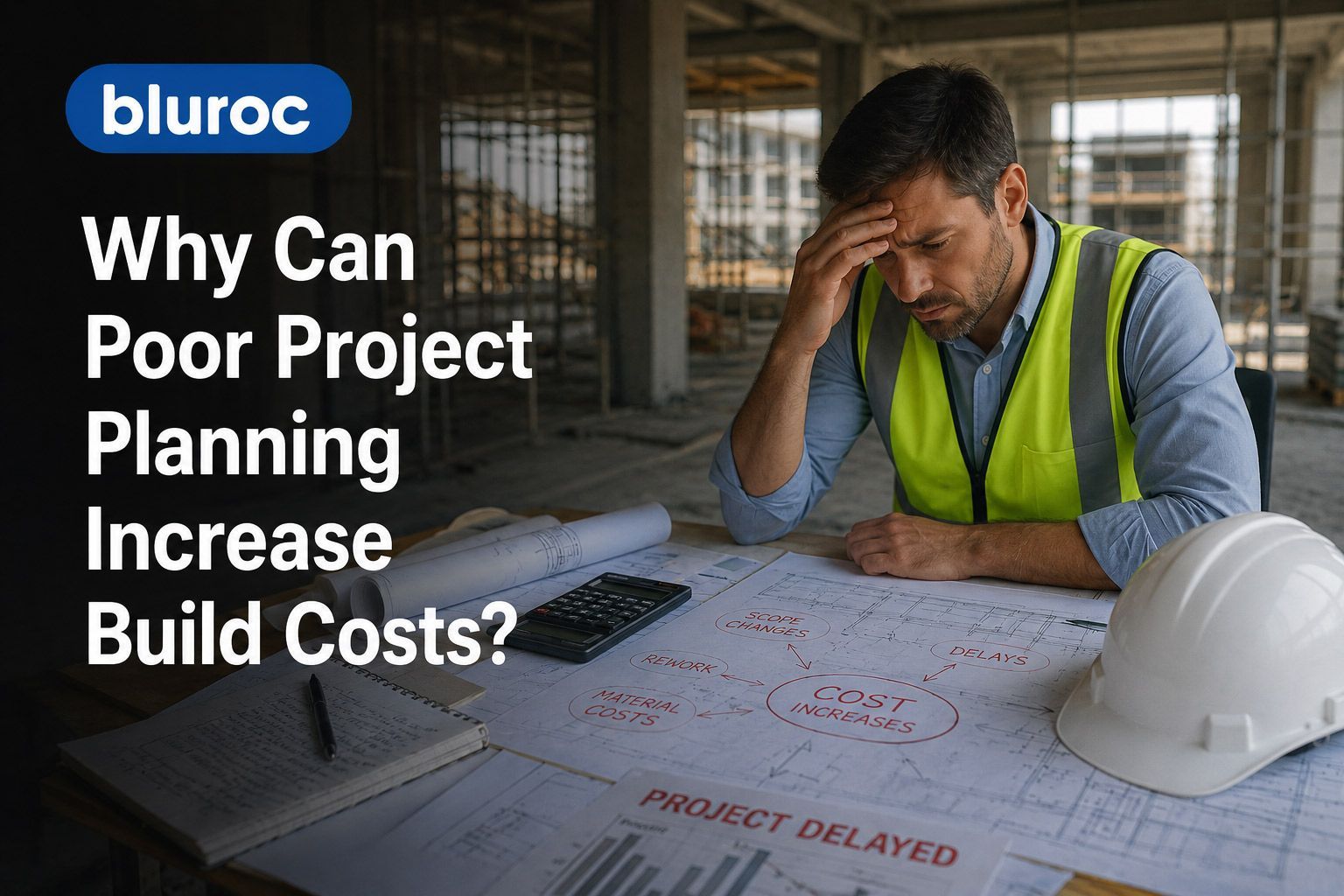
Late-stage revisions frequently create:
- Delayed schedules
- Material reordering
- Scope adjustments
- Labor inefficiencies
- Additional coordination costs
Integrated planning helps reduce many of these disruptions.
Communication Usually Becomes More Direct
Construction projects often become inefficient when communication moves through too many disconnected layers.
Design-build structures generally simplify coordination because project responsibilities are more centralized throughout the process.
Fewer Communication Gaps
Traditional construction structures sometimes involve separate:
- Architects
- Engineers
- Consultants
- Contractors
- Project managers
working independently before construction begins.
Design-build coordination typically allows these discussions to happen more collaboratively throughout the project timeline.
Faster Decision Coordination
When construction and design teams work together consistently, project decisions often move faster.
Issues involving:
- Field adjustments
- Material substitutions
- Scheduling changes
- Site conditions
- Design clarifications
can usually be addressed with fewer delays because the teams are already working within the same coordinated process.
Site and Construction Planning Often Become More Practical
Efficiency is not only about speed. It also involves reducing avoidable construction problems during active work.
Design-build coordination often improves practical construction planning because buildability discussions happen earlier in the process.
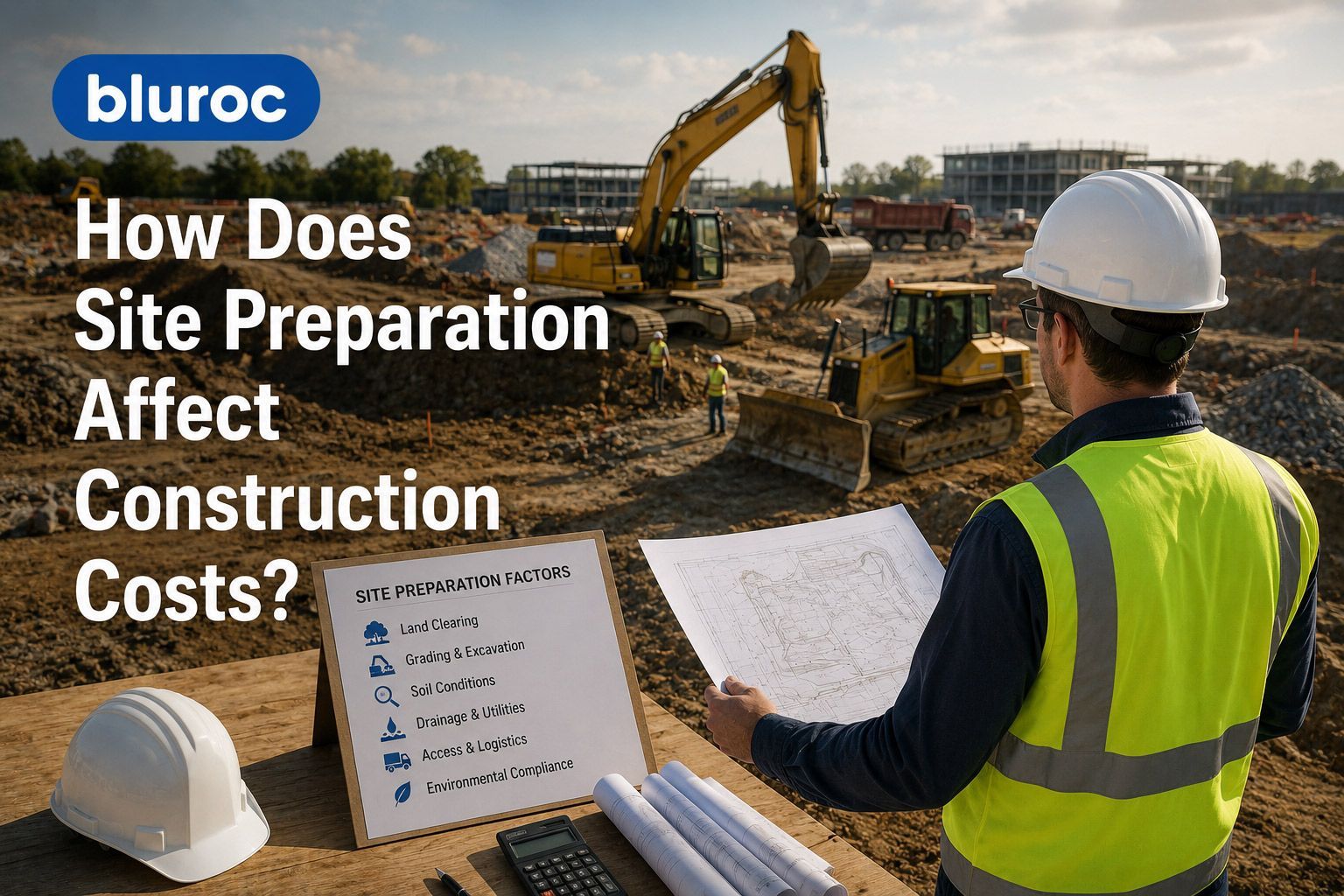
Site Conditions Are Considered Earlier
Construction teams can evaluate:
- Drainage conditions
- Equipment access
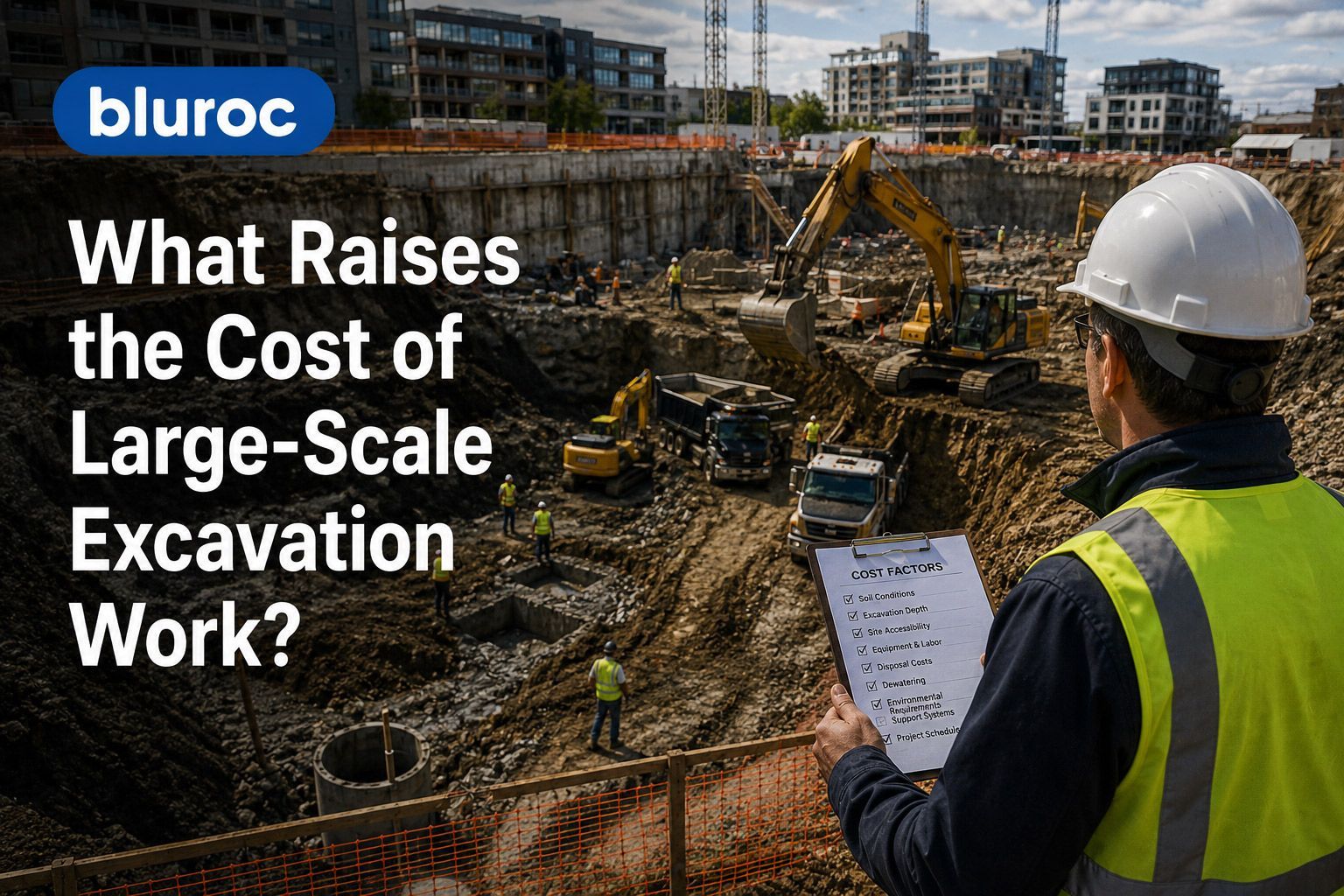
- Excavation needs
- Utility coordination
- Grading challenges
while design development is still flexible.
This often reduces unexpected adjustments once site work begins.
Construction Sequencing Improves
Projects tend to move more efficiently when scheduling and design coordination happen simultaneously.
The table below shows how integrated coordination can improve construction sequencing.
| Project Area | Potential Efficiency Benefit |
|---|---|
| Site preparation | Earlier grading and utility coordination |
| Material planning | Reduced ordering conflicts |
| Scheduling | Better phase overlap |
| Field coordination | Faster issue resolution |
| Budget planning | Fewer late-stage redesigns |
The earlier these factors are coordinated together, the easier it becomes to maintain project momentum during construction.
Design-Build Construction Often Reduces Rework
Rework is one of the biggest sources of inefficiency in construction projects.
When planning gaps, communication issues, or unrealistic designs are discovered late, completed work sometimes needs modification or reconstruction after labor has already been performed.
Earlier Coordination Reduces Conflicts
Design-build structures often reduce conflicts between:
- Design intent
- Structural feasibility
- Site realities
- Budget limitations
- Construction sequencing
This helps reduce situations where field crews must stop work while revisions are created later.
Continuous Collaboration Improves Adaptability
Construction projects rarely move without adjustments entirely.
However, projects generally adapt more efficiently when designers and builders already maintain ongoing communication throughout the process rather than reconnecting only after problems appear.
Efficiency Also Improves Long-Term Project Management
Efficient projects are not only about faster schedules. They also involve smoother coordination from beginning to completion.
Projects usually become easier to manage when:
- Responsibilities are coordinated early
- Communication stays centralized
- Budget planning remains connected to construction realities
- Site conditions are evaluated before major decisions finalize
- Scheduling phases overlap realistically
This structure often improves consistency throughout the project rather than treating each phase separately.
Frequently Asked Questions About Design-Build Construction
What is design-build construction?
Design-build construction combines design and construction coordination into a more integrated project structure instead of separating them into completely independent phases.
Does decorative coaWhy is design-build considered more efficient?ncrete increase labor costs?
It often improves communication, reduces redesigns, streamlines scheduling, and allows earlier coordination between design and construction teams.
Can design-build reduce construction delays?
Yes. Earlier collaboration and overlapping project phases often help reduce scheduling disruptions and coordination delays.
Does design-build help with budgeting?
Yes. Budget planning usually becomes more connected to real construction conditions during early project development.
Why does communication improve in design-build projects?
Design and construction teams typically coordinate together throughout the process instead of working through separate project stages independently.
Conclusion
Design-build construction improves efficiency because planning, budgeting, scheduling, and construction coordination happen together earlier in the project timeline. Continuous collaboration between design and construction teams often reduces communication gaps, minimizes redesigns, and improves project sequencing throughout the build.
For residential and commercial construction projects throughout Utah, integrated planning and early coordination often play a major role in improving construction efficiency, reducing delays, and maintaining stronger long-term project management.
Bluroc Development works on design-build and construction projects across Utah with a focus on coordinated planning, efficient execution, and practical long-term functionality throughout every phase of development.