How Does Site Preparation Affect Construction Costs?
July 5, 2026
Site Preparation Influences the Entire Construction Process
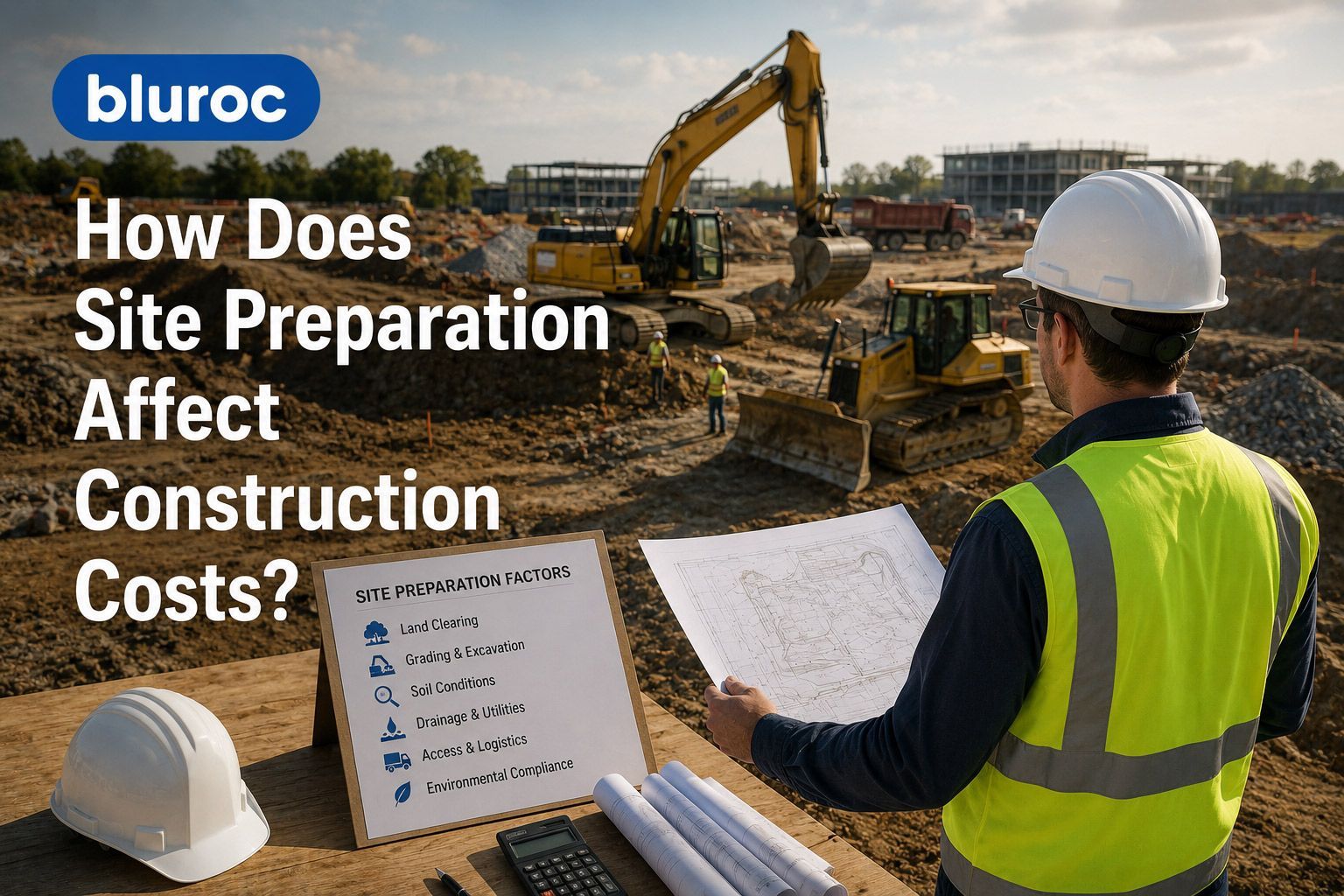
Construction costs are often associated with framing, roofing, interiors, or visible finish work. In reality, many budget increases begin much earlier during site preparation.
Before a foundation can be poured, the property itself must first be prepared to support construction safely and efficiently. Soil conditions, grading, drainage planning, excavation, utility coordination, and site accessibility all affect how smoothly the project moves afterward.
When site preparation is handled properly, construction sequencing usually becomes more predictable. When preparation problems are overlooked early, delays and corrections often spread into later phases of the build.
For residential and commercial projects throughout Utah, site preparation is often one of the most important factors affecting scheduling, labor efficiency, and long-term construction costs.
Soil Conditions Can Significantly Change Preparation Requirements
The ground beneath the project directly affects how much work is required before construction can begin.
Some properties already provide stable conditions for foundations and structural support. Others require substantial correction before the site can safely handle building loads.
Stable Soil Conditions
Stable soil generally allows excavation and foundation preparation to move forward more efficiently. Equipment can operate more consistently, grading becomes simpler, and compaction requirements are often easier to manage.
Projects with stable ground conditions usually experience fewer delays related to foundation preparation and underground correction work.
Difficult or Unstable Soil
Certain Utah properties contain expansive clay, loose fill material, rocky terrain, or poor drainage conditions that complicate site preparation significantly.
These conditions may require additional excavation, engineered fill placement, soil stabilization, or compaction work before foundations can safely proceed. In some cases, foundation systems themselves may need redesign depending on how unstable the site conditions are.
As preparation requirements increase, labor, equipment usage, and engineering coordination usually increase as well.
Grading Affects Both Construction Efficiency and Long-Term Performance
Grading is not only about shaping the property visually. It controls how the site handles drainage, erosion, accessibility, and structural stability once construction is complete.
Poor grading often creates problems that continue affecting the property long after the project finishes.
Flat and Accessible Sites
Flatter sites are usually easier to prepare because equipment can move more efficiently across the property. Excavation, hauling, drainage planning, and material staging often become more straightforward when elevation changes are limited.
This type of site generally allows construction crews to maintain more consistent production throughout preparation work.
Sloped or Uneven Terrain
Properties with steep slopes or major elevation changes usually require additional coordination before building can begin safely.
The table below shows how terrain conditions commonly affect site preparation scope.
| Terrain Condition | Common Preparation Impact |
|---|---|
| Steep slopes | Retaining systems and stabilization |
| Uneven grading | Additional excavation and fill balancing |
| Drainage-sensitive areas | Erosion control measures |
| Hillside construction | More complex equipment coordination |
| Elevated building pads | Increased grading requirements |
As terrain complexity increases, excavation speed and labor efficiency often decrease.
Excavation Costs Depend on Site Difficulty More Than Dirt Volume
Excavation pricing is rarely based only on how much material is removed from the property.
The actual difficulty of excavation usually affects cost far more than total volume alone.
Straightforward Excavation Conditions
Some sites allow equipment to operate efficiently with relatively simple digging, hauling, and grading conditions.
Projects with:
- Easy equipment access
- Stable soil
- Minimal obstructions
- Open hauling routes
typically move faster and require less labor coordination overall.
Complex Excavation Conditions
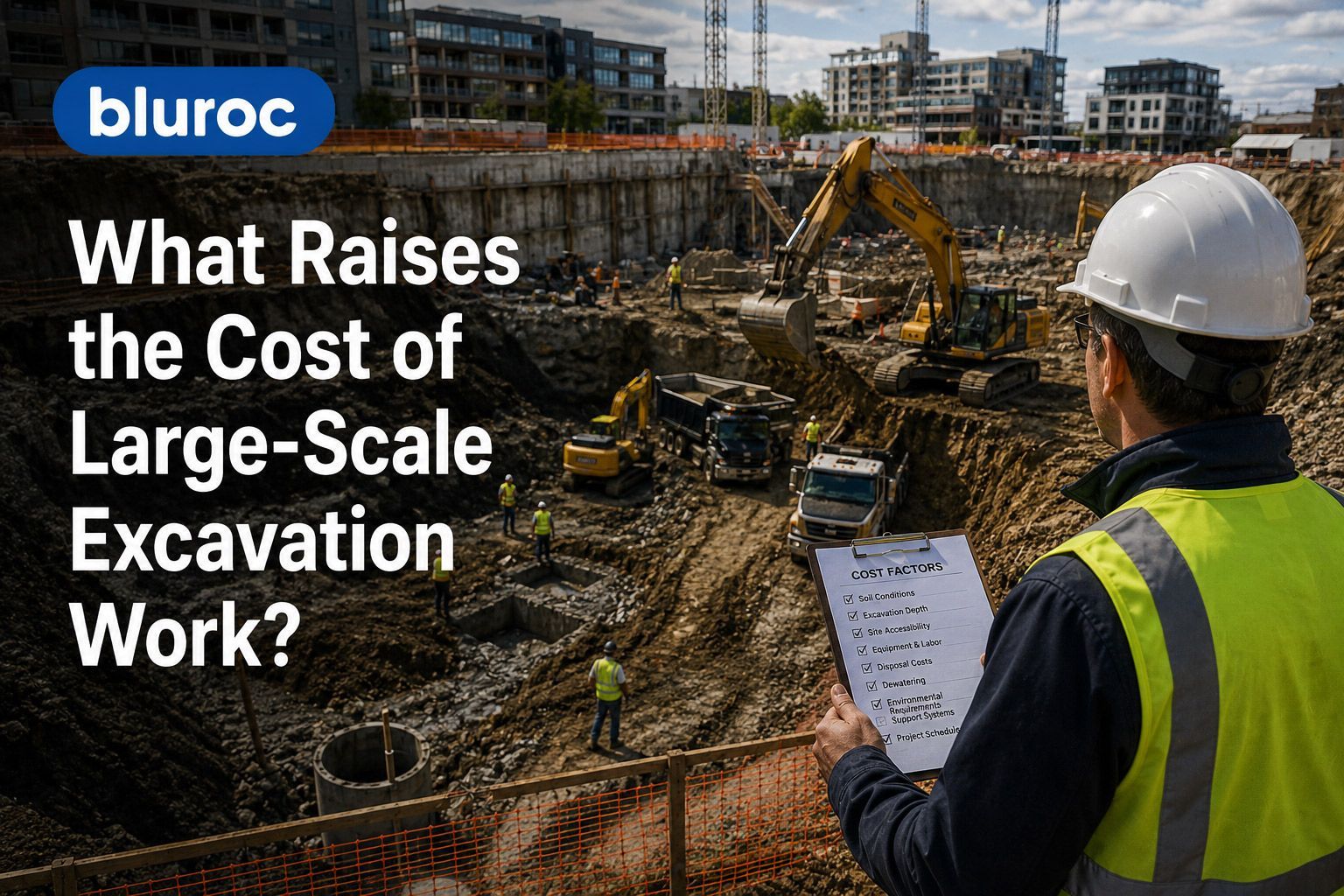
Other properties contain compacted ground, rock formations, buried debris, or restricted access conditions that slow excavation significantly.
Difficult excavation conditions often increase:
- Equipment strain
- Fuel usage
- Labor hours
- Hauling coordination
- Project timelines
As excavation becomes more difficult, operating costs generally rise alongside it.
Utility Coordination Affects Construction Sequencing
Site preparation also involves coordinating underground infrastructure before major construction begins.
Poor utility planning can interrupt multiple phases of the project afterward.
Existing Utilities Require Careful Identification
Before excavation proceeds safely, crews must identify underground systems such as water lines, sewer connections, gas lines, electrical conduits, and communication infrastructure.
Excavation near utilities often requires slower and more controlled digging methods because damaging existing infrastructure can create major safety and scheduling problems.
New Utility Installation Requires Multiple Phases
Installing new utility systems usually involves several coordinated steps before construction can proceed fully.
This process often includes:
- Engineering review
- Utility provider coordination
- Municipal approvals
- Underground trenching
- Inspection sequencing
When utility coordination is delayed, foundation work and later construction phases are often affected as well.
Site Accessibility Directly Impacts Labor Efficiency
Construction equipment operates most efficiently when crews can move freely throughout the property.
Projects with unrestricted access generally allow faster hauling, easier staging, and more efficient machinery movement during preparation work.
Restricted sites create different challenges. Tight access areas may limit truck movement, reduce staging space, and slow excavation production because equipment cannot maneuver efficiently.
Construction sites near active businesses, neighboring buildings, or busy roadways may also require phased scheduling, traffic coordination, restricted work hours, and additional safety planning during site preparation.
These conditions reduce efficiency compared to open and unrestricted sites.
Weather Conditions Can Affect Site Preparation Quickly
Site preparation is heavily affected by weather because excavation and grading depend directly on ground conditions during active work.
Rain may create mud accumulation and unstable soil. Snow and freezing temperatures may slow excavation and compaction. Wet conditions can also reduce equipment traction and interrupt hauling operations across the property.
Because site preparation occurs before most vertical construction begins, weather delays during this phase often affect scheduling throughout the remainder of the project.
Poor Site Preparation Often Creates More Expensive Problems Later
Site preparation issues rarely remain isolated to the beginning of construction.
Problems involving grading, drainage, excavation, or soil stability often continue affecting later construction phases after foundations and structures are already underway.
The comparison below shows how early preparation problems can create larger issues later in the project.
| Early Site Issue | Possible Long-Term Impact |
|---|---|
| Poor grading | Drainage and erosion problems |
| Inadequate compaction | Foundation settlement |
| Delayed utilities | Construction scheduling disruptions |
| Improper drainage planning | Water intrusion issues |
| Incomplete excavation prep | Foundation installation delays |
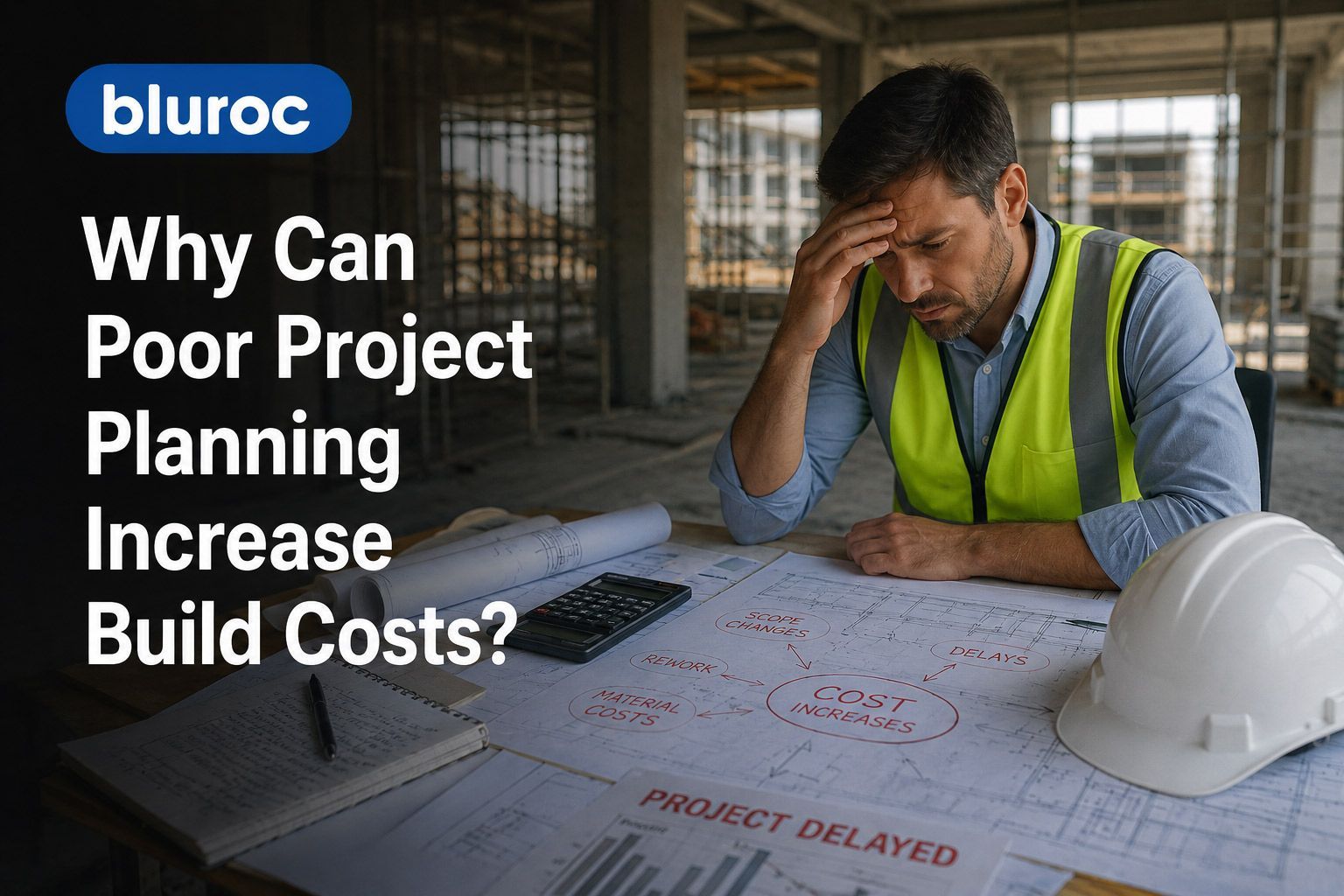
Correcting these problems later is usually far more expensive than addressing them during early site preparation.
Strong Site Preparation Improves Long-Term Construction Efficiency
Well-planned site preparation usually improves labor efficiency and scheduling stability throughout the entire project.
Construction projects often move more smoothly when:
- Soil conditions are evaluated early
- Drainage planning is completed before excavation
- Utility coordination happens before foundation work
- Grading plans align with long-term site performance
- Equipment access is planned realistically
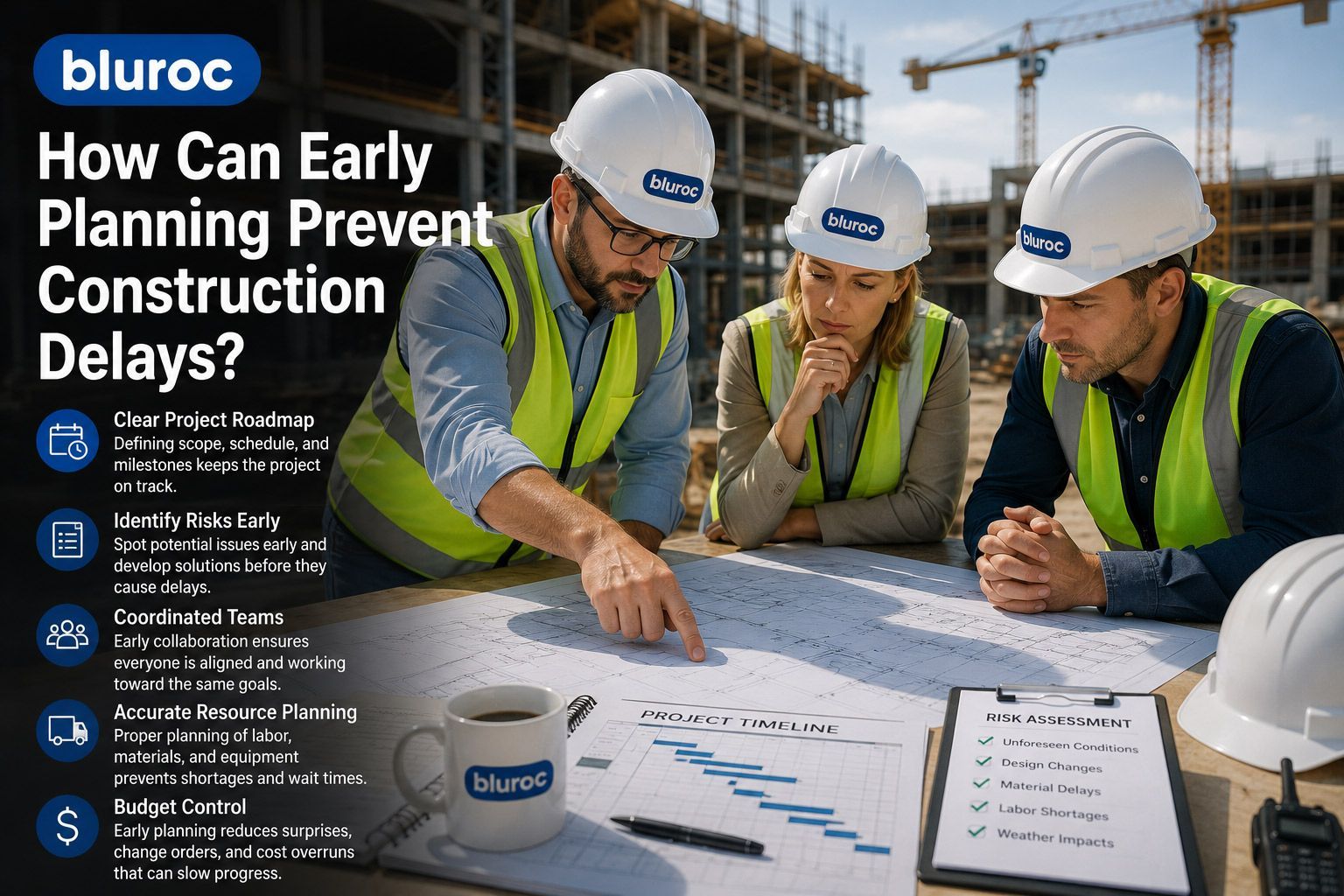
Early coordination helps reduce delays, minimize rework, and improve construction sequencing throughout the build.
Frequently Asked Questions About Site Preparation Costs
Why does site preparation affect construction costs so much?
Site preparation affects excavation, drainage, utilities, grading, foundation work, and labor efficiency throughout the project.
Can difficult soil conditions increase building costs?
Yes. Unstable or rocky soil may require additional excavation, compaction, stabilization, or engineered foundation systems.
Why is grading important during construction?
Proper grading controls drainage, reduces erosion, and helps protect foundations from long-term water problems.
How do utilities affect site preparation?
Utility coordination affects excavation safety, trenching, inspections, underground infrastructure installation, and construction scheduling.
Can weather delay site preparation work?
Yes. Rain, snow, mud, and frozen ground conditions can reduce excavation and grading efficiency significantly.
Conclusion
Site preparation affects construction costs because it determines how efficiently the rest of the project can move forward afterward. Soil conditions, grading, excavation, utility coordination, drainage planning, and site accessibility all influence labor requirements, scheduling stability, and long-term structural performance.
For residential and commercial projects throughout Utah, strong site preparation is often one of the biggest factors in reducing delays, improving efficiency, and maintaining better cost control throughout the entire build process.
Bluroc Development works on construction and site preparation projects across Utah with a focus on coordinated planning, efficient site development, and long-term functionality from the earliest phases of construction.