Why Can Poor Project Planning Increase Build Costs?
May 31, 2026
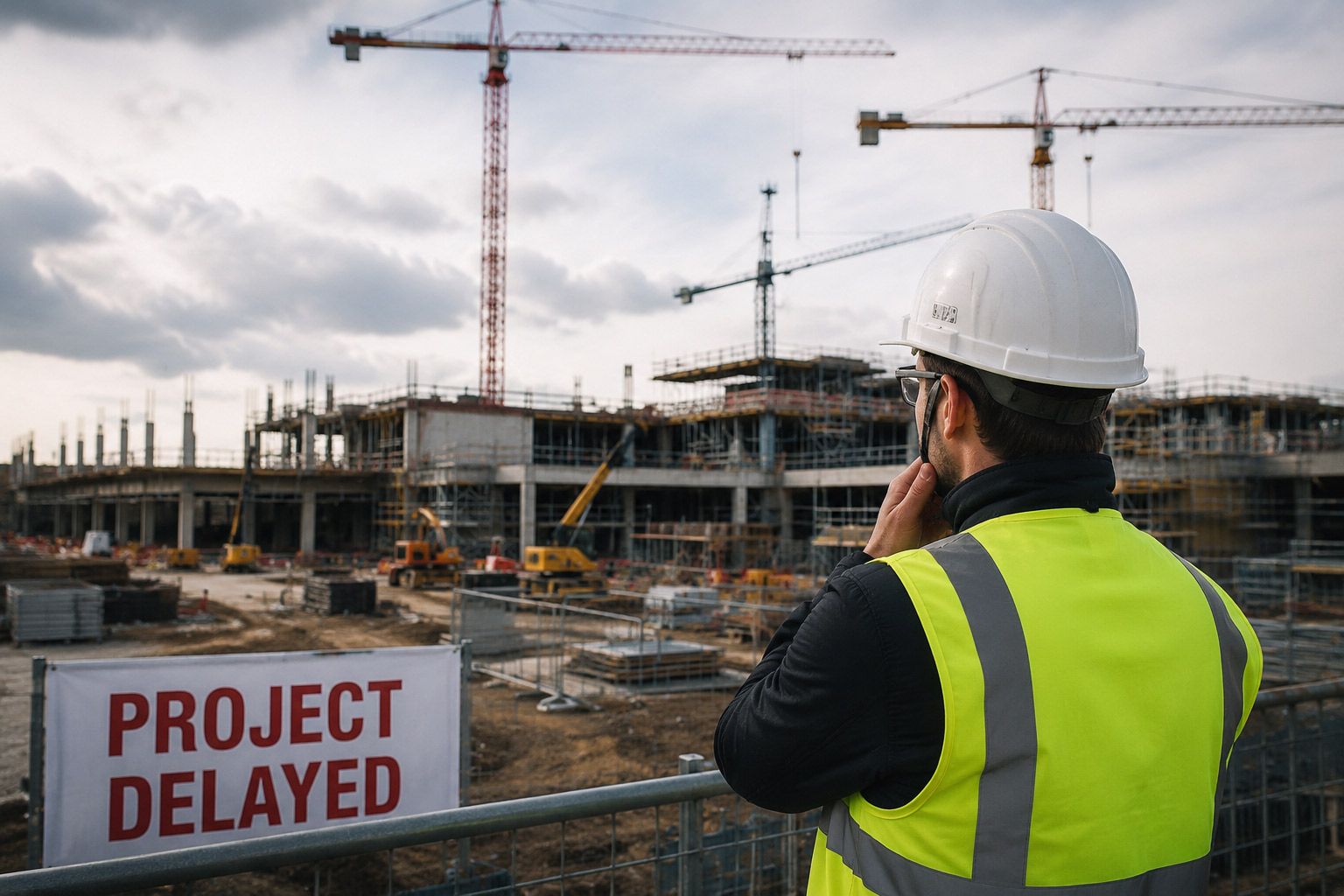
Most Construction Cost Problems Start Before the Build Even Begins
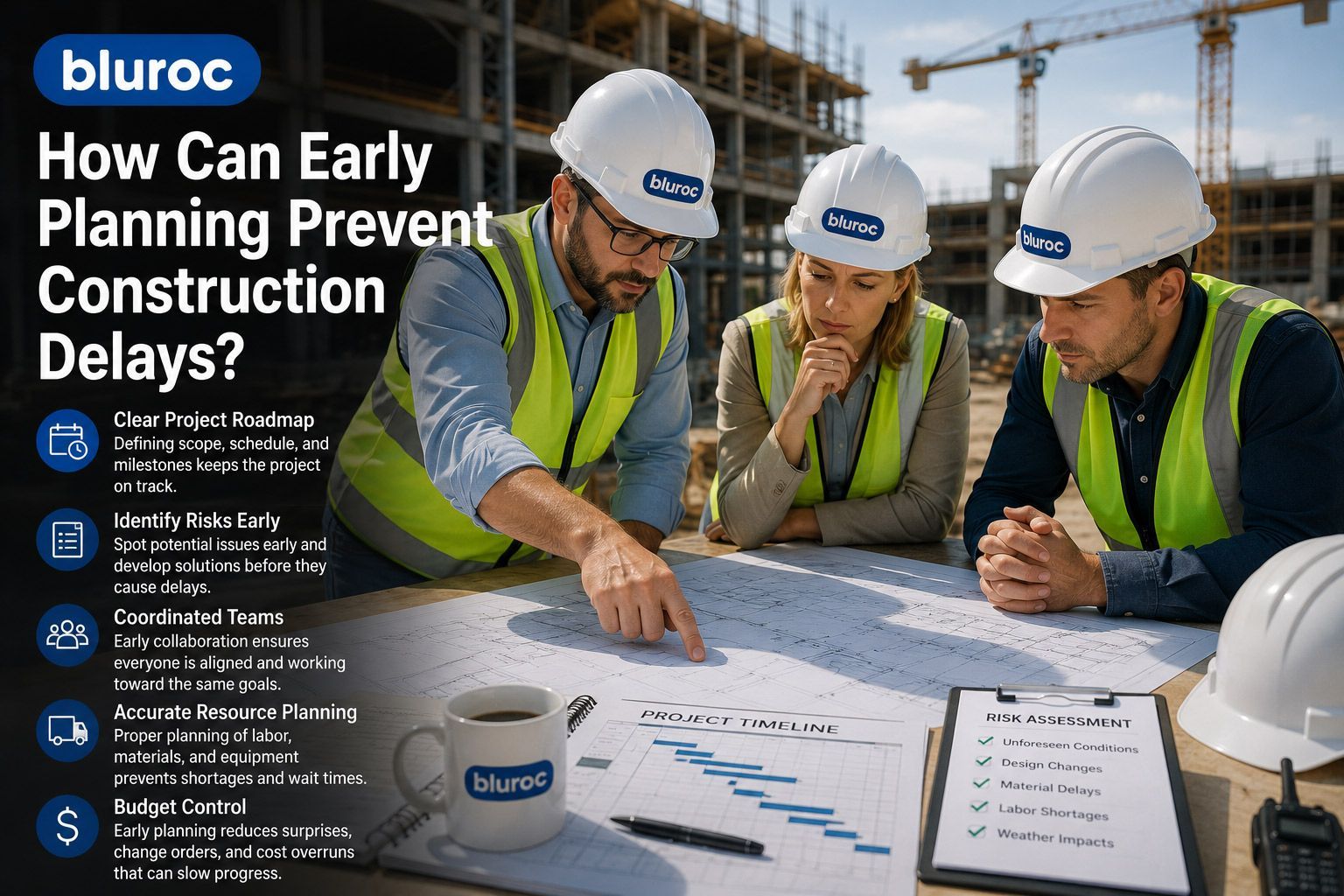
Construction budgets rarely increase because of one single issue. In many cases, cost overruns begin long before crews arrive on-site. Poor planning creates gaps between what the project requires and what was actually prepared for before construction started.
When schedules are unrealistic, layouts are incomplete, permits are delayed, or infrastructure needs are underestimated, the project becomes less efficient once work begins. Small problems that could have been solved during planning often become expensive corrections during active construction.
For residential and commercial construction projects throughout Utah, planning quality often has a direct impact on labor efficiency, scheduling stability, and long-term cost control.
Unclear Project Scope Creates Expensive Changes Later
One of the biggest planning problems is starting construction before the full project scope is finalized.
Projects move more efficiently when the layout, materials, finishes, operational goals, and infrastructure requirements are fully defined before labor begins. When important decisions remain unresolved, revisions usually happen after construction has already started.
Design Revisions Affect Multiple Trades
Changing one part of a project often affects several other systems at the same time.
For example, relocating a wall may also affect:
- Electrical routing
- HVAC placement
- Lighting layout
- Plumbing locations
- Flooring transitions
What initially seems like a “small change” can quickly spread into multiple construction phases.
Late Material Changes Create Delays
Material selections also affect scheduling.
If custom finishes, specialty products, or fabricated materials are changed after ordering has already started, contractors may need to:
- Cancel previous orders
- Wait for new lead times
- Adjust installation schedules
- Reschedule subcontractors
This reduces efficiency throughout the project and increases labor coordination costs.
Scheduling Problems Usually Multiply Throughout Construction
Construction sequencing depends on timing.
Every trade relies on previous work being completed correctly and on schedule before the next phase can continue efficiently.
Delays Spread Across Multiple Phases
The construction process works like a chain. Once one phase falls behind, other phases are affected afterward.
A delay in framing may postpone:
- Electrical rough-in
- Plumbing installation
- Insulation
- Drywall
- Finish carpentry
As scheduling disruptions continue spreading, labor coordination becomes more difficult and more expensive.
Labor Rescheduling Increases Costs
Subcontractors throughout Utah often manage several active projects simultaneously.
When planning problems disrupt scheduling, contractors may need to:
- Bring crews back later
- Rearrange inspection schedules
- Delay deliveries
- Pay overtime
- Compress future phases
These inefficiencies increase project costs without improving construction quality.
Poor Budget Planning Often Leads to Expensive Decisions Mid-Project
Projects with unrealistic budgets frequently run into financial problems once construction is already underway.
One of the most common mistakes is underestimating infrastructure costs early in the planning process.
Infrastructure Costs Are Often Larger Than Expected
Many owners focus heavily on finishes while overlooking the systems required to support the building itself.
The table below shows construction areas that commonly create unexpected costs when planning is incomplete.
| Construction Area | Commonly Underestimated Costs |
|---|---|
| Electrical Systems | Panel upgrades, dedicated circuits |
| HVAC Systems | Ventilation redesign, ductwork |
| Plumbing | Drain relocation, utility rerouting |
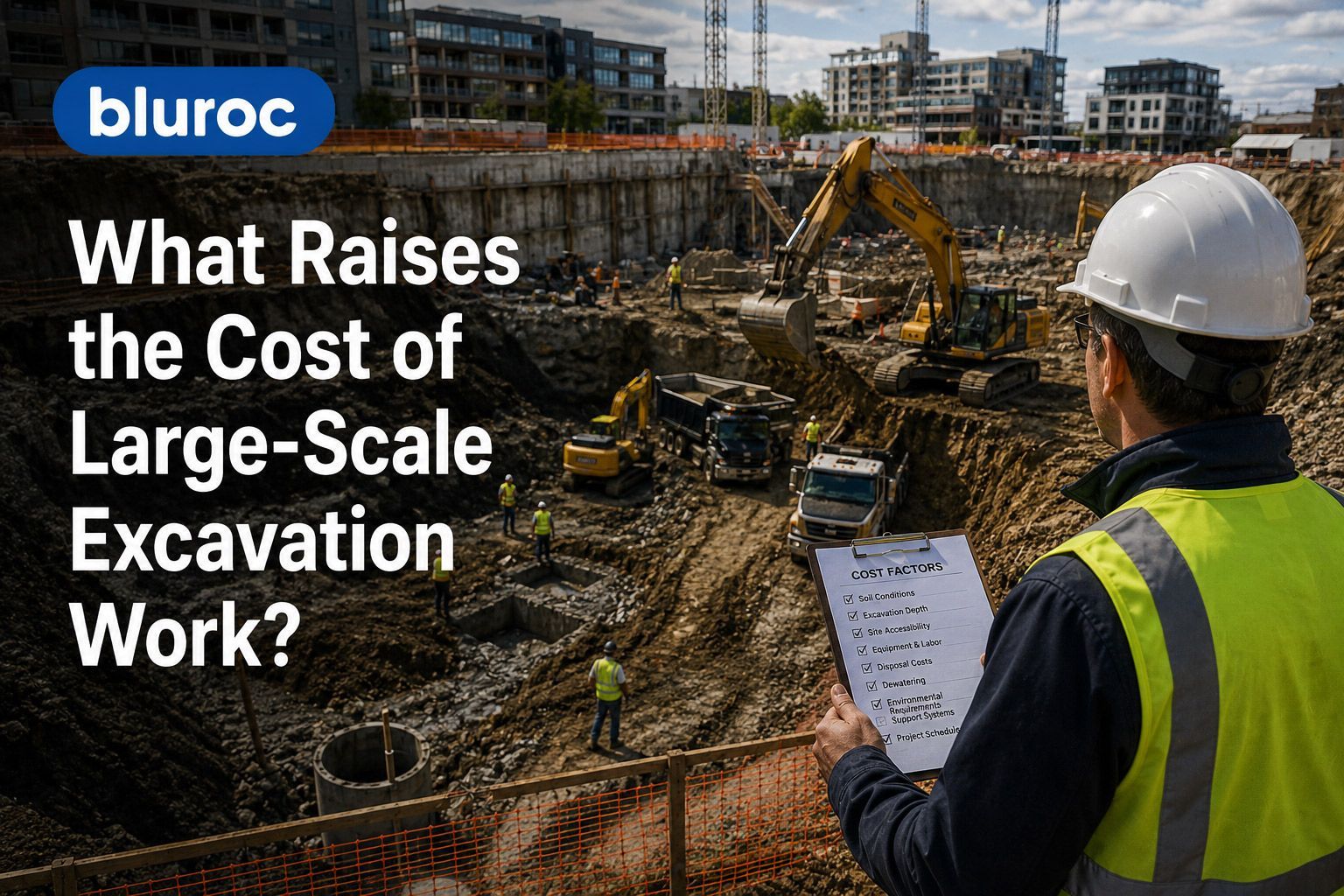
| Site Preparation | Excavation, grading, soil work |
| Permitting | Revisions, engineering updates |
These systems are usually critical to functionality, which means they cannot simply be removed later without affecting the project itself.
Last-Minute Cost Cutting Creates Rework
Poor planning sometimes forces owners to reduce scope after construction has already started.
This may involve:
- Downgrading materials
- Removing features
- Changing layouts
- Reordering products
- Revising designs
Making major adjustments during active construction is usually far more expensive than making realistic planning decisions earlier.
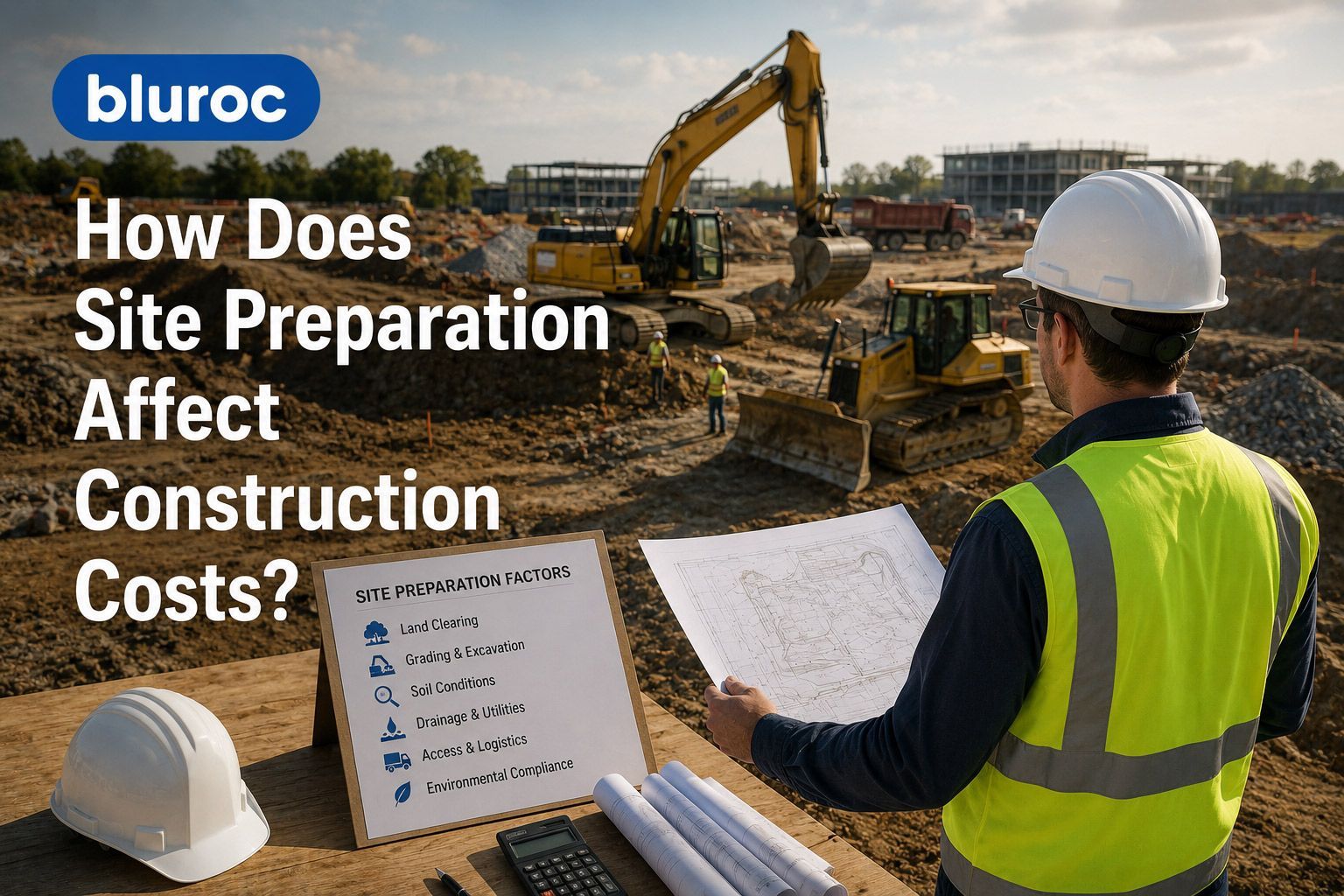
Site Preparation Problems Can Affect the Entire Schedule
Construction planning should account for actual site conditions before work begins.
When site preparation is underestimated, delays often spread throughout the entire build timeline.
Existing Site Conditions Matter
Some Utah construction sites require additional preparation involving:
- Soil stabilization
- Drainage correction
- Utility relocation
- Excavation adjustments
- Grading work
If these conditions are not identified early, crews may encounter delays once construction equipment and labor are already mobilized on-site.
Utility Coordination Must Happen Early
Water, sewer, gas, and electrical service all affect how efficiently construction can proceed.
Delays involving utility access can postpone:
- Excavation
- Foundation work
- Inspections
- Mechanical installation
Early coordination usually prevents these problems from affecting later construction phases.
Permit Delays Are Often Linked to Planning Problems
Permitting issues are not always caused by review departments alone.
Incomplete planning frequently creates approval delays before permits are even issued.
Incomplete Plans Slow Approvals
Permit revisions commonly happen when:
- Drawings conflict with one another
- Engineering details are missing
- Site plans are incomplete
- Code requirements are overlooked
Projects requiring multiple revisions often lose valuable time before construction can even begin.
Inspection Corrections Increase Labor Costs
Planning mistakes also affect inspections later in the project.
If inspectors identify missing requirements or incorrect installations, crews may need to revisit completed work before construction can continue.
This creates additional labor coordination and scheduling inefficiencies throughout the build.
Communication Problems Usually Lead to Rework
Strong planning also involves making sure every party understands the project clearly before construction starts.
When communication is inconsistent, mistakes become more likely.
Miscommunication may affect:
- Measurements
- Finish expectations
- Equipment placement
- Material selections
- Scheduling coordination
Correcting completed work after misunderstandings are discovered is usually much more expensive than resolving those details early.
Better Planning Improves Cost Control Throughout Construction
Strong planning does not eliminate every possible construction issue, but it usually reduces avoidable problems significantly.
Projects tend to operate more efficiently when:
- The scope is finalized early
- Budgets account for infrastructure realistically
- Scheduling includes permit and lead-time considerations
- Communication remains consistent throughout the project
Clear planning improves labor efficiency, reduces rework, and helps maintain more stable construction timelines.
Frequently Asked Questions About Construction Planning
Why does poor planning increase construction costs?
Poor planning often creates delays, rework, labor inefficiencies, scheduling conflicts, and material changes during construction.
Can design changes increase build costs significantly?
Yes. Mid-project revisions often affect multiple trades and systems simultaneously, increasing labor and coordination requirements.
Why is scheduling important in construction projects?
Construction phases depend heavily on sequencing. Delays in one phase usually affect several others afterward.
How does budgeting affect project planning?
Unrealistic budgets may force rushed design revisions, material substitutions, or scope reductions after construction has already started.
Can planning mistakes delay permits and inspections?
Yes. Incomplete drawings, missing details, or overlooked code requirements commonly slow approvals and inspection progress.
Conclusion
Poor project planning increases build costs because construction projects rely heavily on coordination, sequencing, budgeting, scheduling, and accurate scope development before labor begins. Once work starts, changes and delays usually become far more expensive to correct.
For residential and commercial construction projects throughout Utah, strong planning is often one of the biggest factors in maintaining budget control, reducing scheduling disruptions, and improving long-term project efficiency.
Bluroc Development works on construction projects across Utah with a focus on detailed planning, coordinated execution, and practical long-term functionality throughout every phase of the build.