What Raises the Cost of Large-Scale Excavation Work?
June 28, 2026
Excavation Costs Depend on More Than Just Digging
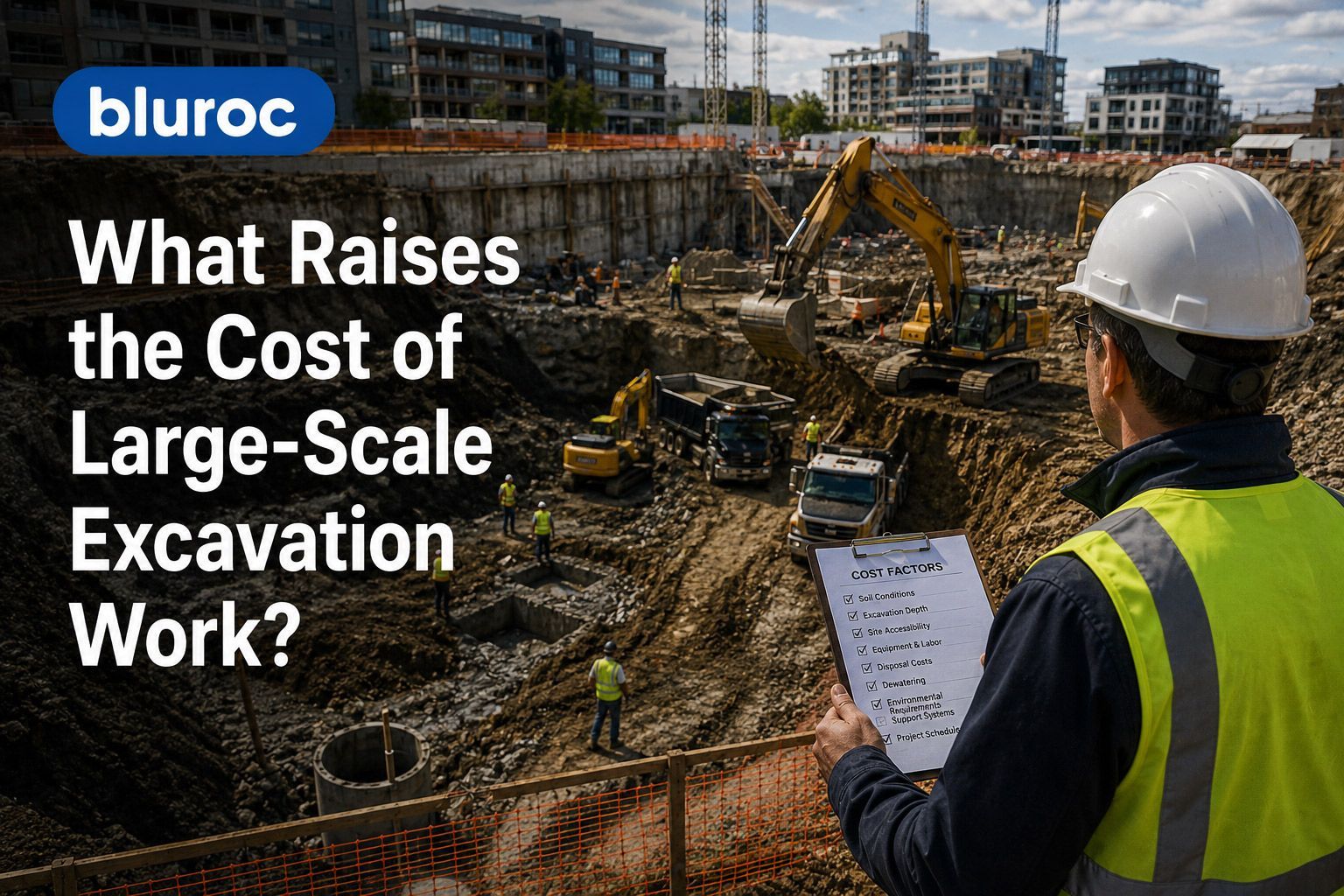
Large-scale excavation projects often look straightforward from the outside. Heavy equipment arrives on-site, material gets moved, and the property gradually changes shape as construction preparation begins.
In reality, excavation pricing is influenced by far more than the amount of dirt being removed.
Ground conditions, site accessibility, utility coordination, hauling requirements, weather, equipment size, and project complexity all affect how difficult the excavation process becomes. Two sites with similar square footage may require completely different levels of labor, machinery, scheduling, and preparation before the work can even begin efficiently.
For construction projects throughout Utah, excavation work is often one of the earliest and most important phases of the entire build. Problems during excavation can affect foundations, utilities, drainage systems, scheduling, and overall construction costs long after the digging itself is complete.
Site Conditions Often Have the Biggest Impact on Excavation Pricing
The existing condition of the property heavily influences how much labor and equipment the excavation process requires.
Some sites are relatively easy to prepare, while others create significant complications once work begins.
Soil Conditions Change Equipment Requirements
Not all soil behaves the same during excavation.
Loose soil is generally easier and faster to move, while rocky ground, dense clay, or unstable material may slow production significantly. Certain sites throughout Utah also contain compacted ground conditions that require heavier equipment and more labor-intensive removal methods.
Harder digging conditions increase:
- Equipment usage
- Fuel consumption
- Labor hours
- Wear on machinery
- Project timelines
As excavation difficulty increases, operating costs usually increase as well.
Sloped Terrain Creates Additional Complexity
Flat sites are typically easier to excavate than steep or uneven terrain.
Properties with elevation changes may require:
- Additional grading work
- Soil stabilization
- Retaining systems
- More careful equipment operation
- Drainage planning adjustments
Steeper terrain often slows excavation speed because crews must work more carefully to maintain site safety and grading accuracy.
Hauling and Material Removal Can Become a Major Cost Factor
Excavation projects do not only involve moving dirt around the property. In many cases, large amounts of material must also leave the site entirely.
Disposal Requirements Affect Pricing
Excavated material may need transportation to:
- Disposal facilities
- Fill locations
- Recycling sites
- Approved dumping areas
The farther material must travel, the more hauling costs increase through fuel usage, labor time, and trucking coordination.
Large Volumes Increase Transportation Costs
High-volume excavation projects often require continuous truck movement throughout the workday.
This affects:
| Excavation Factor | Cost Impact |
|---|---|
| Truck availability | Higher labor coordination |
| Fuel usage | Increased operating expenses |
| Hauling distance | Longer transportation time |
| Disposal fees | Additional project charges |
| Traffic restrictions | Scheduling limitations |
Large-scale excavation projects often involve far more trucking coordination than many property owners initially expect.
Utility Coordination Can Slow Excavation Significantly
Underground utility systems heavily affect excavation planning.
Excavation crews cannot safely dig without identifying and protecting existing infrastructure throughout the property.
Existing Utilities Require Careful Planning
Projects may encounter:
- Water lines
- Sewer systems
- Gas lines
- Electrical conduits
- Communication infrastructure
- Storm drainage systems
Excavation near utilities usually requires slower, more controlled digging methods to prevent damage.
Utility Relocation Increases Project Scope
In some cases, utilities must be relocated entirely before excavation can continue.
This may require:
- Engineering coordination
- Utility provider scheduling
- Additional permitting
- Inspection approvals
- Revised excavation sequencing
These adjustments often extend timelines and increase labor coordination throughout the project.
Weather Conditions Affect Excavation Efficiency
Excavation productivity depends heavily on site conditions during active construction.
Utah weather can create major changes in excavation efficiency depending on the season and ground conditions.
Wet Conditions Slow Production
Heavy rain or snow can create:
- Mud accumulation
- Reduced equipment traction
- Soil instability
- Drainage problems
- Unsafe working conditions
Wet conditions often force crews to slow production or temporarily pause excavation work altogether.
Frozen Ground Requires Additional Effort
Winter excavation may involve frozen soil conditions that are harder to break apart and remove efficiently.
This increases equipment strain and may slow excavation speed significantly depending on ground depth and temperature conditions.
Equipment Size and Project Scale Affect Operating Costs
Large-scale excavation projects often require multiple machines operating simultaneously.
Larger Equipment Increases Operating Expenses
Excavation projects may involve:
- Excavators
- Bulldozers
- Loaders
- Graders
- Compactors
- Haul trucks
Larger equipment increases:
- Fuel consumption
- Transportation logistics
- Maintenance costs
- Operator requirements
However, smaller equipment may also slow production if it cannot handle the site efficiently.
Complex Projects Require More Coordination
Large commercial and construction sites throughout Utah often involve multiple excavation phases happening simultaneously.
For example:
- Site grading
- Utility trenching
- Foundation excavation
- Drainage preparation
- Roadway access work
The more moving parts involved, the more labor coordination and scheduling become necessary.
Permit and Environmental Requirements Can Add Additional Costs
Some excavation projects involve regulatory requirements before work can proceed fully.
Permitting Requirements Affect Scheduling
Excavation may require approvals involving:
- Grading permits
- Stormwater management
- Environmental compliance
- Utility coordination
- Erosion control measures
Delays involving permits or inspections can affect excavation sequencing and labor scheduling.
Environmental Conditions May Require Additional Work
Certain sites may need:
- Soil testing
- Erosion control systems
- Sediment barriers
- Drainage protection
- Dust management measures
These requirements increase preparation and compliance costs throughout the excavation process.
Project Accessibility Influences Equipment Efficiency
How easily crews and machinery can access the property also affects excavation pricing.
Tight Job Sites Reduce Efficiency
Restricted access areas may limit:
- Equipment movement
- Truck staging
- Material removal speed
- Storage space
- Crew coordination
Excavation on confined sites usually takes longer because machinery cannot operate as freely.
Urban and Developed Areas Create Additional Challenges
Projects near active businesses, roads, or neighboring properties often require more controlled excavation procedures to maintain safety and minimize disruption.
This may involve:
- Traffic coordination
- Noise restrictions
- Limited work hours
- Safety barriers
- Controlled hauling schedules
These conditions reduce production efficiency compared to open sites with unrestricted access.
How Better Planning Helps Control Excavation Costs
Large-scale excavation projects usually become more efficient when planning happens thoroughly before equipment mobilization begins.
Early Site Evaluation Improves Accuracy
Identifying:
- Soil conditions
- Utility locations
- Drainage needs
- Access limitations
- Grading requirements
early in the process helps reduce unexpected changes later.
Coordinated Scheduling Improves Efficiency
Excavation projects tend to move more smoothly when hauling, utility coordination, permits, and site preparation are planned together rather than separately.
Strong coordination helps reduce downtime between excavation phases.
Frequently Asked Questions About Excavation Costs
What affects large-scale excavation pricing the most?
Soil conditions, hauling requirements, utility coordination, weather, site accessibility, and equipment needs all heavily influence excavation costs.
Why does rocky soil increase excavation expenses?
Rocky or compacted ground requires heavier equipment, slower digging, and more labor-intensive removal methods.
Can weather delay excavation projects?
Yes. Rain, snow, mud, and frozen ground conditions can reduce efficiency and temporarily pause excavation work.
Why do hauling costs increase excavation pricing?
Large excavation projects often require continuous trucking, disposal coordination, fuel usage, and transportation labor.
How can excavation costs be controlled better?
Early site evaluation, utility coordination, realistic scheduling, and detailed planning usually improve excavation efficiency significantly.
Conclusion
Large-scale excavation costs vary because every property creates different site conditions, utility challenges, hauling demands, and operational requirements before construction can move forward efficiently. Soil conditions, weather, accessibility, equipment needs, and project coordination all influence how difficult the excavation process becomes.
For construction projects throughout Utah, careful excavation planning is often critical for maintaining scheduling efficiency, protecting infrastructure, and controlling long-term construction costs from the very beginning of the build.
Bluroc Development works on excavation and construction projects across Utah with a focus on detailed site preparation, coordinated project planning, and efficient long-term construction support throughout every phase of development.