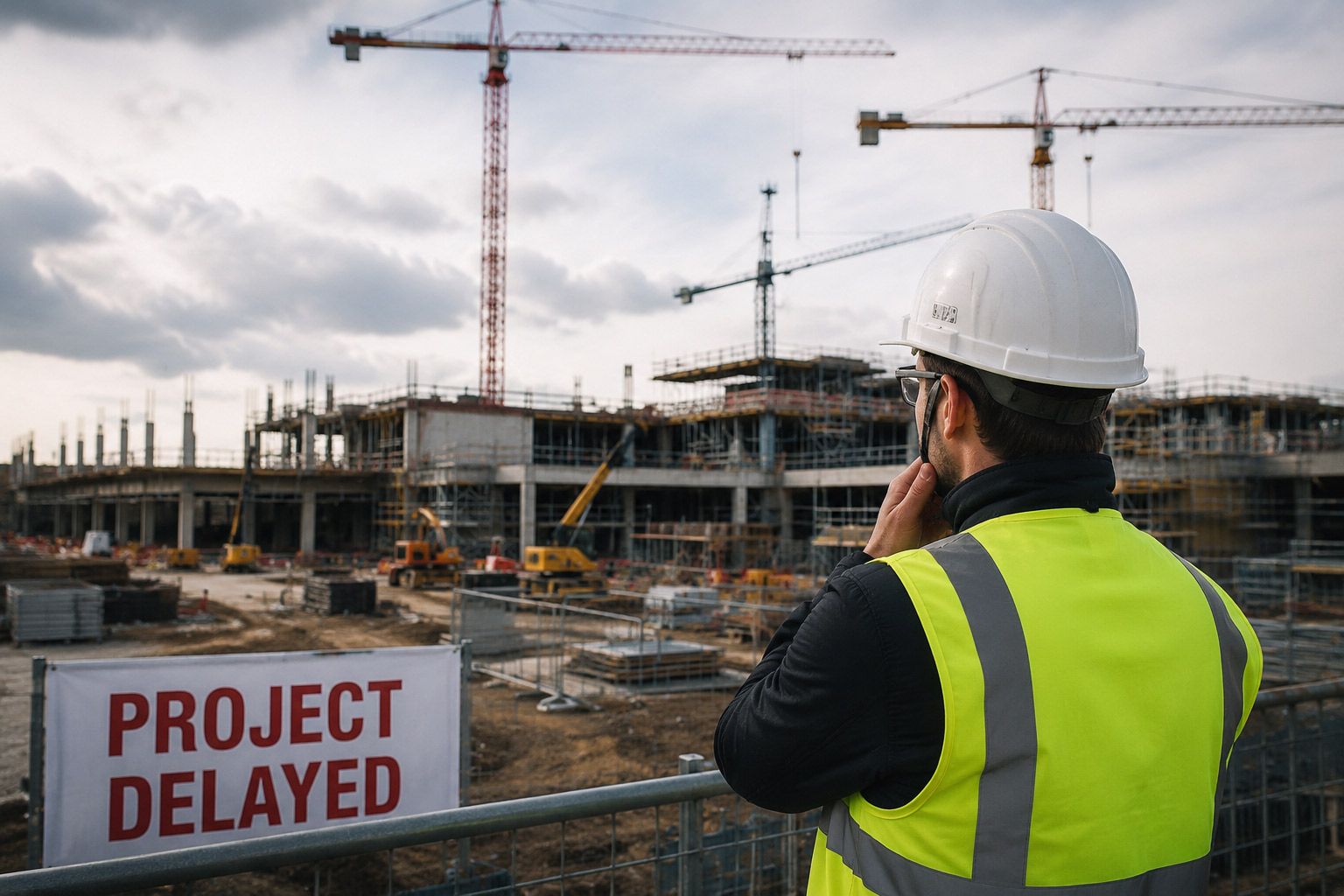
How Can Early Planning Prevent Construction Delays?
August 30, 2026

Most Construction Delays Start Long Before Construction Begins
Construction delays are often blamed on weather, labor shortages, or material availability. While those factors can affect scheduling, many project slowdowns actually begin much earlier during the planning phase.
When important decisions are rushed or incomplete before construction starts, problems tend to appear later once crews, equipment, permits, and subcontractors are already moving through active phases of the project.
Construction projects depend heavily on sequencing. Site preparation, utilities, permitting, material coordination, inspections, and labor scheduling all need to align properly for work to move efficiently from one phase to the next.
Early planning helps reduce interruptions before they spread throughout the rest of the build.
For residential and commercial construction projects throughout Utah, strong planning is often one of the biggest factors in maintaining scheduling stability and avoiding avoidable delays during construction.
Clear Project Scope Reduces Mid-Construction Changes
One of the most common causes of construction delays is beginning work before the project scope is fully finalized.
When layouts, materials, finishes, or operational goals remain unresolved, revisions often happen after construction has already started.
Design Changes Affect Multiple Construction Phases
A single change during construction rarely affects only one part of the project.
Relocating a wall, for example, may also affect:
- Electrical routing
- HVAC layouts
- Plumbing locations
- Lighting placement
- Framing adjustments
- Inspection approvals
What initially appears to be a small revision can quickly create scheduling disruptions across several trades simultaneously.
Finalized Decisions Improve Scheduling Stability
Projects usually move more efficiently when major decisions are completed before labor begins.
This includes:
- Material selections
- Layout approval
- Structural planning
- Utility coordination
- Finish specifications
Clear direction early in the process helps subcontractors schedule labor more accurately and reduces interruptions later.
Permit Coordination Is More Efficient When Planned Early
Permitting delays often affect construction schedules more heavily than many people expect.
Projects cannot move into certain phases until approvals and inspections are completed properly.
Incomplete Planning Slows Permit Approval
Permit applications may require revisions when:
- Drawings contain inconsistencies
- Site plans are incomplete
- Engineering details are missing
- Code requirements are overlooked
Each revision cycle adds time before construction can continue fully.
Early Coordination Helps Prevent Approval Gaps
Projects usually move more smoothly when permitting requirements are reviewed before construction scheduling is finalized.
The process often becomes more efficient when teams coordinate:
| Planning Area | Why Early Coordination Matters |
|---|---|
| Site plans | Prevents revision delays |
| Utility layouts | Supports permit accuracy |
| Structural details | Reduces engineering corrections |
| Code compliance | Improves inspection readiness |
| Scheduling | Aligns labor with approvals |
Strong permit planning helps reduce downtime between project phases.
Material Planning Helps Prevent Scheduling Interruptions
Construction scheduling depends heavily on materials arriving at the correct time.
Poor coordination during procurement often creates avoidable delays later.
Lead Times Affect Project Sequencing
Certain construction materials may require:
- Fabrication time
- Shipping coordination
- Custom ordering
- Supplier scheduling
- Manufacturing lead times
If these timelines are underestimated, installation phases may stall while crews wait for products to arrive.
Early Material Selection Improves Coordination
Projects generally become easier to schedule when material selections are finalized before active construction begins.
This allows contractors to:
- Order products earlier
- Coordinate deliveries properly
- Schedule labor more accurately
- Reduce installation conflicts
- Avoid rushed substitutions later
Strong material planning improves overall construction flow significantly.
Site Evaluation Helps Reduce Unexpected Delays
Construction projects often slow down when site conditions are not evaluated thoroughly before work begins.
Problems discovered during excavation or preparation phases frequently affect later scheduling.
Existing Site Conditions Matter
Some Utah construction sites may involve:
- Poor drainage
- Unstable soil
- Utility conflicts
- Grading complications
- Restricted access conditions
If these issues are identified late, excavation and foundation work may require unexpected adjustments after labor has already mobilized.
Early Site Investigation Improves Preparation
Projects usually move more efficiently when:
- Soil conditions are reviewed early
- Drainage planning is completed beforehand
- Utility locations are confirmed
- Equipment access is evaluated realistically
This helps reduce field surprises once construction activity begins.
Scheduling Improves When Trades Coordinate Earlier
Construction depends heavily on timing between multiple subcontractors working across different project phases.
When coordination happens too late, labor conflicts become more likely.
Delays Spread Across Multiple Trades
Construction phases are closely connected.
A delay involving one trade often affects several others afterward.
For example:
- Delayed excavation affects foundation work
- Foundation delays affect framing
- Framing delays affect electrical rough-in
- Electrical delays affect drywall scheduling
As scheduling conflicts spread, labor coordination becomes increasingly difficult.
Early Scheduling Creates Better Sequencing
Projects usually maintain stronger momentum when:
- Subcontractors are scheduled realistically
- Inspection timelines are considered early
- Material lead times are integrated into scheduling
- Site preparation phases are coordinated properly
This reduces downtime between construction phases.
Communication Problems Often Lead to Avoidable Delays
Poor communication creates confusion that slows construction progress.
Projects become less efficient when contractors, designers, owners, and subcontractors are not aligned before work begins.
Miscommunication Creates Rework
Construction misunderstandings may involve:
- Measurements
- Layout expectations
- Material selections
- Equipment placement
- Scheduling responsibilities
Correcting completed work after mistakes are discovered often delays several other phases simultaneously.
Early Coordination Improves Decision-Making
Projects generally move more smoothly when communication systems are established early.
This allows decisions involving:
- Design adjustments
- Material approvals
- Scheduling changes
- Site conditions
- Inspection coordination
to happen more efficiently during construction.
Early Planning Helps Projects Adapt More Efficiently
Construction projects rarely proceed without adjustments entirely.
However, projects with stronger early planning often adapt faster because schedules, responsibilities, and communication systems are already organized before problems appear.
The comparison below shows how planning quality often affects construction efficiency.
| Planning Condition | Common Construction Result |
|---|---|
| Incomplete scope | Frequent revisions and delays |
| Early material coordination | Smoother installation scheduling |
| Poor site evaluation | Unexpected excavation problems |
| Organized scheduling | Better subcontractor coordination |
| Clear communication | Faster issue resolution |
The earlier project coordination happens, the easier it usually becomes to maintain construction momentum afterward.
Frequently Asked Questions About Construction Delays
Why does early planning reduce construction delays?
Early planning improves scheduling, permit coordination, material ordering, labor sequencing, and communication before construction begins.
Can design changes delay construction projects?
Yes. Mid-project revisions often affect multiple trades, inspections, and installation phases simultaneously.
Why are permits important for scheduling?
Permit approvals and inspections control when certain phases of construction can legally proceed.
How do materials affect project delays?
Late deliveries, fabrication lead times, and rushed substitutions can interrupt labor scheduling and installation sequencing.
Can poor communication slow construction progress?
Yes. Miscommunication often creates rework, scheduling confusion, and delays between subcontractors.
Conclusion
Early planning prevents construction delays because it improves coordination before active work begins. Site preparation, scheduling, permits, utilities, material ordering, labor sequencing, and communication systems all affect how efficiently construction moves from one phase to the next.
For residential and commercial construction projects throughout Utah, strong planning is often one of the biggest factors in reducing scheduling disruptions, improving labor efficiency, and maintaining steady project progress throughout the build.
Bluroc Development works on construction projects across Utah with a focus on coordinated planning, efficient scheduling, and long-term project functionality from early development through final construction.